Wildlife Exclusion
Wildlife intrusion can turn a property into a place filled with stress and uncertainty. The presence of raccoons in an attic, squirrels chewing through wiring, or birds settling into vulnerable gaps tends to create an environment where structural harm becomes a growing concern. Our team approaches wildlife exclusion with a careful blend of building knowledge, behavioral understanding, and long-term planning. Instead of quick patches that fall apart under pressure, we focus on creating durable protections tailored to the way each animal species behaves. Weather patterns common in Texas, such as sudden heat shifts or seasonal storms, influence how animals move and where they seek entry, so our approach accounts for the conditions that lead creatures toward homes and businesses in the first place. By handling each situation with patience and precision, we build barriers that help property owners regain control of their space.
Many property owners first notice the issue through subtle clues. Strange sounds inside walls, lingering odors, or small piles of debris often show that an animal has already found an opening. These intrusions don’t take long to worsen, and once a species establishes a foothold, the interior structure can suffer quickly. Our professionals take time to study what’s happening behind the scenes so that any exclusion work fits the real pattern of movement. That includes examining vulnerable points, identifying nesting behavior, and understanding which species is present. Instead of guessing, we rely on thorough inspections, which form the backbone of the entire service. This type of groundwork helps reduce surprises during repairs and prevents the cycle of intrusion that happens when deeper problems go unnoticed.
Thorough Inspections And Research
The inspection stage shapes everything that follows, which is why our team treats it with serious attention. Detecting wildlife activity involves much more than spotting entry marks or gnawed wood. Animals tend to use multiple routes, some hidden beneath structural layers or tucked behind insulation. Heat signatures, droppings, rub marks, material displacement, and subtle airflow changes can reveal travel paths that wouldn’t be noticed during a quick walkthrough. By studying these indicators, we map out the full extent of the intrusion.
We also consider environmental influences. The Texas climate encourages wildlife to seek dependable shelter throughout the year, leading to seasonal patterns that help us anticipate entry attempts. Observing these patterns gives our professionals insight into how to build long-term defenses rather than surface-level solutions. Our detection process includes evaluating attic voids, rooflines, crawlspaces, foundation gaps, and ventilation points because animals favor areas where warmth, protection, and easy access are combined. Each discovery during the inspection guides the plan that follows, reducing the chance of overlooked vulnerabilities.
Customized Techniques For Your Situation
Once our team determines how and where wildlife enters a structure, the next step is constructing barriers that animals can’t easily bypass. Exclusion isn’t only about sealing holes; it’s about understanding how each species interacts with a building. A raccoon might exploit loose shingles, while rodents might slip through a gap smaller than expected. Birds often take advantage of unprotected soffits, and each situation calls for a tailored response. Our technicians select materials that withstand gnawing, scratching, and weather exposure, and they install them with precision that supports a long-term defense.
During the exclusion process, we focus on reinforcing weak points, correcting structural flaws, and preventing animals from reopening previously used routes. Screens, sealants, metal flashing, and specialized coverings create barriers that remain dependable through seasonal changes. At the same time, we examine the surrounding property for features that might encourage continued wildlife pressure, such as cluttered storage areas, damaged rooflines, or vulnerable garden structures. Addressing these outside influences further enhances the effectiveness of the exclusion plan.
Throughout the work, our team maintains clear communication with property owners. We explain what we’re doing, why it matters, and how it prevents future intrusion. We also encourage routine monitoring after the project so that small shifts in structure or environment don’t create new opportunities for wildlife entry. By supporting property owners with practical knowledge, we help them stay confident in the protection put in place.
Achieving Long-Term Results
Effective exclusion supports more than immediate relief. It helps protect the property from recurring intrusion, ongoing structural strain, and unnecessary repair expenses. Once animals have been restricted from a structure, it becomes important to prevent the conditions that previously invited them inside. That’s why we provide guidance on maintenance habits that reduce wildlife interest.
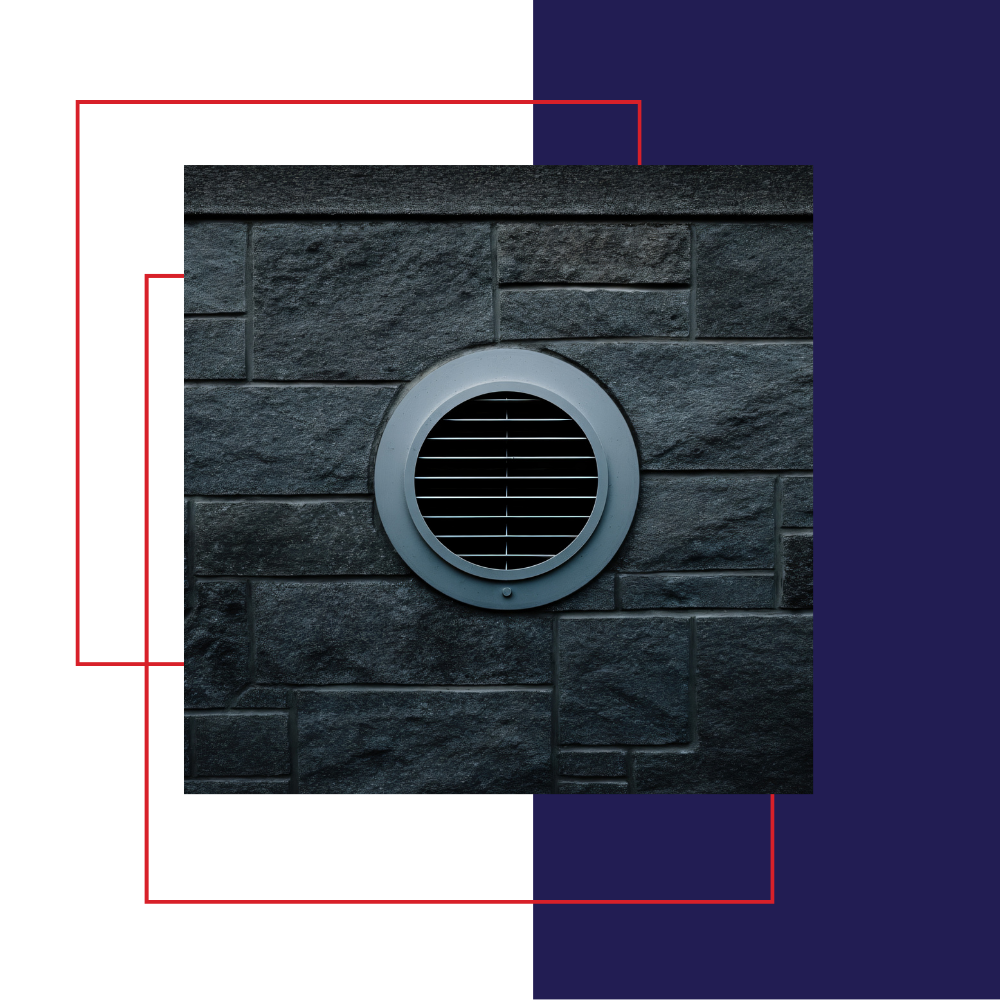
Keeping vegetation trimmed, securing loose roof features, repairing minor exterior damage promptly, and maintaining proper ventilation all contribute to a lower risk of intrusion. Our team explains how these small actions influence animal behavior. For example, overgrown tree limbs can act as bridges, while uncovered vents can become prime targets for nesting. Understanding these factors empowers property owners to support the work completed during exclusion and maintain a strong line of defense.
Our professionals remain available for follow-up inspections when needed, ensuring that the property continues to perform as expected. Each visit helps confirm that barriers remain intact and that wildlife pressures haven’t shifted in a way that requires new strategy adjustments. With consistent attention to detail and a commitment to structural preservation, we help reduce the likelihood of recurring issues.
If wildlife intrusion has created concerns about damage, noise, or disruption, we encourage you to contact Texas Pest Elimination for professional exclusion services and guidance. Our team is prepared to assess your situation, identify weaknesses, and build a long-term plan that protects your property. Whether you need answers, practical solutions, or ongoing support, we invite you to contact us to discuss the next steps.
Frequently Asked Questions About Wildlife Exclusion
Q1. What Makes Professional Wildlife Exclusion More Effective Than Basic Repairs?
A1. Professional exclusion involves identifying subtle access points, understanding how different animals navigate structures, and reinforcing vulnerable areas with materials designed to withstand persistent intrusion attempts. Instead of sealing a single opening, the process focuses on the entire property so hidden routes and future pressure points are addressed before they develop into new problems. This broader view helps reduce repeated intrusion and supports long-term structural protection.
Q2. How Do Experts Determine Where Animals Are Entering A Building?
A2. Specialists rely on detailed inspection methods that reveal patterns the untrained eye might overlook. Tracks, heat signatures, nesting indicators, airflow changes, and small structural irregularities often point to the exact paths animals use. By mapping these clues, a clear picture forms of how wildlife moves through a building, which allows technicians to design precise exclusion measures that stop the cycle of reentry.
Q3. What Can Property Owners Do To Help Prevent Animals From Returning After This Service?
A3. Simple maintenance habits can make a significant difference. Keeping exterior features in good repair, trimming vegetation away from the roofline, securing loose panels, and ensuring vents or openings stay covered reduces the conditions that draw animals toward a structure. Periodic checkups and awareness of new gaps or weather related wear also support the long term success of the exclusion work.