Wild Pig Removal And Control
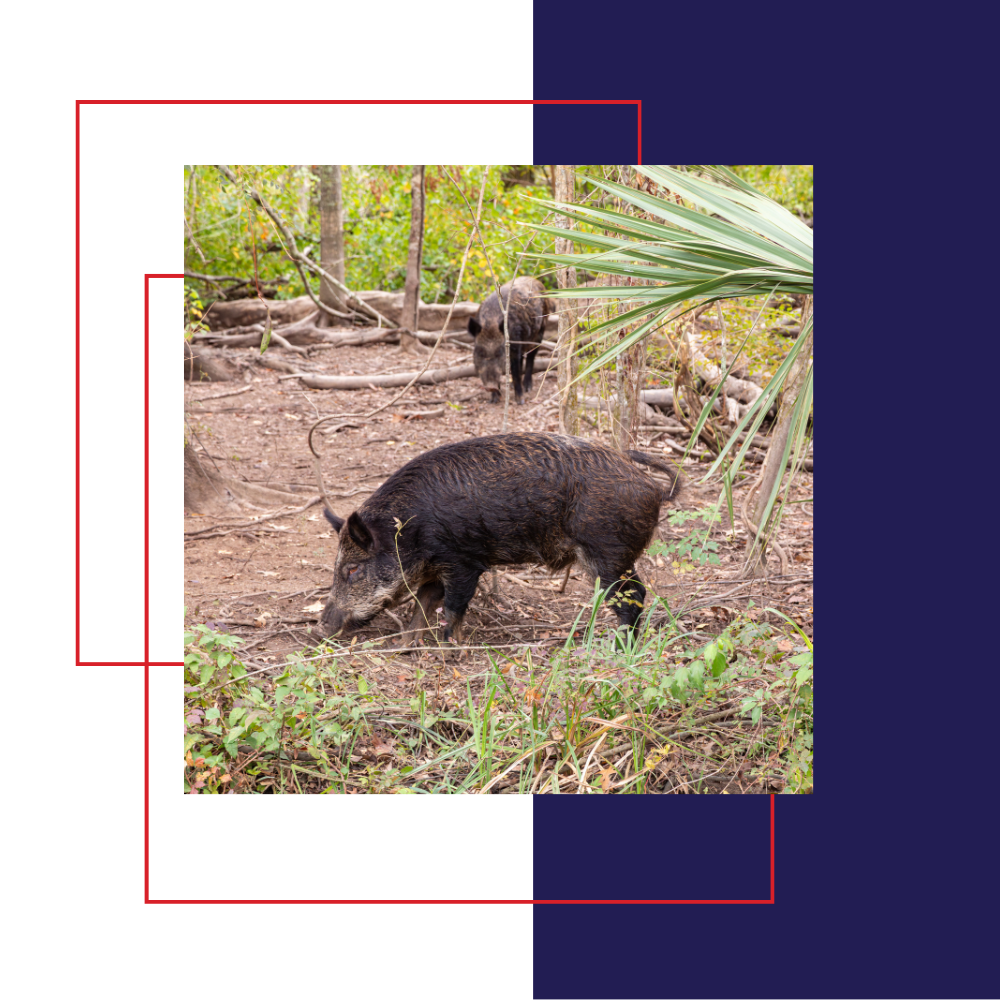
Wild pigs have become a fast-spreading threat across large portions of the region, and the problems they create show up in places people don’t always expect. They tear through fields at night, churn up soil around homes, and leave behind deep ruts that trap water and weaken foundations. Many residents describe waking to overturned sod, damaged fences, or ruined landscaping that seemed fine the evening before. These animals adapt quickly, breed at a surprising pace, and push into new areas when food becomes scarce. Once they establish a pattern of movement, they can disrupt daily routines, strain property value, and lead to rising repair costs.
Our team works with landowners who feel overwhelmed by the constant cycle of damage. Wild pigs test boundaries both literal and practical. They root through pastures, break irrigation lines, and create pathways that other wildlife begin to follow. In wooded sections or ranchland, their wallowing habits cause erosion that spreads downstream. Some homeowners are shocked at how rapidly one group can transform open ground into uneven terrain that’s difficult to walk across. The challenge grows further when these animals start seeking out trash bins or animal feed, because that encourages them to return again and again.
While agriculture tends to take the biggest hit, residential neighborhoods also report more interactions than they used to. As expansion pushes new developments closer to wooded areas, the pigs respond by shifting closer as well. They can squeeze under weak fencing, dig under gates, and leave behind debris that attracts insects and other scavengers. Removing them requires a consistent strategy shaped around their patterns, not guesswork. That's where our professionals step in with methods developed through direct field experience.
Health, Structural, And Environmental Risks
One of the main concerns people express is the unpredictable nature of these animals once they get comfortable around human activity. They can respond aggressively when startled, and that creates a stressful situation for families trying to protect pets or young livestock. Beyond that, they carry parasites and diseases that spread through contaminated soil, leftover waste, or interaction with other animals on the property. These risks become even more noticeable after heavy rain, when contaminated runoff flows into low-lying areas and storage spaces.
The structural issues they create also cause long-term headaches. A single night of rooting may not look significant, but repeated activity weakens the ground beneath sheds, barns, and patios. The damage tends to spread outward, breaking irrigation systems and leaving open puddles that draw mosquitoes. Over time, this changes the way water moves across the land, contributing to erosion that reaches far beyond the original disturbance. Our experience has shown that even small groups of pigs can trigger a ripple effect that keeps homeowners repairing and re-repairing old trouble spots.
Environmentally, wild pigs put pressure on native species already trying to survive in competitive habitats. Their constant foraging destroys nests, exposes roots, and removes food sources that many local animals rely on. In forested areas, they disturb seedlings and reduce the next season’s growth potential. These disruptions might seem minor at first glance, but they accumulate quickly into larger ecological shifts. Addressing these issues early helps stabilize the landscape and prevent the cycle from worsening.
Our Proven Detection And Removal Methods
Effective removal requires understanding how the animals think, move, and respond to changing conditions. Our team studies tracks, feeding habits, and travel corridors to build a plan around the specific property. This adaptive approach matters because these animals learn from previous encounters. They adjust their patterns when they sense danger, making casual attempts at control frustrating and ineffective.
We use targeted strategies that focus on removing entire groups rather than scattering them across neighboring areas. Leaving an infestation of these beasts partially handled can push stragglers into new areas, creating an issue for people in the area. The goal is to handle the problem with precision and limit repeated visits so property owners can regain control of their land.
Our professionals also evaluate weak points around fences, drainage areas, and food access zones. Small changes to a property can discourage new pigs from entering after removal. This part of the job often goes unnoticed by those dealing with the stress of ongoing damage. By identifying where the intrusive animals were entering and what drew them in in the first place, we help reduce the chance of recurring problems. This combination of removal and prevention forms the foundation of a long-term solution.
Long-Term Property Protection And Monitoring
After the initial removal, our team monitors for early signs of return activity. Tracks, soil displacement, and scent markings reveal more than most people realize, and catching these patterns early can prevent a new cycle of destruction. This stage of the service gives property owners some breathing room, especially those who have been dealing with ongoing disruptions for months.
We also offer guidance on environmental adjustments that make the property less appealing to wild pigs. Sometimes the solution involves modifying access to water, managing vegetation growth, or reinforcing vulnerable sections of the property line. These changes work together to create an environment that discourages pigs from settling again.
Our team understands how stressful and costly wild pig activity can become, and we’re committed to delivering dependable solutions shaped around each property’s unique challenges. If wild pigs are disrupting your land and you need professionals who know how to respond effectively, contact us today at Texas Pest Elimination to schedule service or request more information.
Frequently Asked Questions About Wild Pigs
Q1. How Do Professionals Determine Whether A Property Has An Active Wild Pig Presence?
A1. Specialists look for several subtle clues that many people overlook. Fresh rooting, compressed pathways through brush, scattered feathers or seeds, unusual soil patterns near water sources, and deep hoof impressions can all signal regular movement. Nighttime camera checks and careful evaluation of feeding behavior help confirm whether a full group is involved. By pinpointing activity zones early, professionals can respond before the problem expands into new sections of the property.
Q2. What Makes Professional Removal More Effective Than Trying To Handle These Animals Without Help?
A2. Wild pigs respond quickly to pressure, shift their routines, and learn from failed attempts to stop them. Traps placed without a strategy in mind usually snag a single animal while the rest scatter, which causes the group to spread farther and create new disturbances. Professionals study patterns, position equipment with intention, and work to capture entire groups so the issue does not ripple onto surrounding land. Their knowledge reduces property strain and limits the chance of repeated cycles of damage.
Q3. How Can Property Owners Lower The Odds Of Wild Pigs Returning After Removal?
A3. Once the animals are gone, small environmental adjustments can make a meaningful difference. Removing scattered food sources, reinforcing weak entry points, and managing overgrown vegetation reduce the conditions that attract pigs in the first place. Staying alert to early signs like fresh tracks or sudden soil disruption helps catch new activity before it escalates. Pairing awareness with preventive modifications creates a landscape that discourages pigs from settling again.