
Earwig Exterminator
Earwigs are one of those pests that can feel like they appear out of nowhere. One day your garden looks fine, and the next you’re spotting strange little insects hiding under flowerpots, sneaking along the patio, or turning up in a sink at night. In Texas, these pests do especially well because warm temperatures and humidity give them the kind of environment they like most. They’re drawn to moisture, shade, and tight hiding places, which is why they’re often found around foundations, mulch beds, irrigation lines, and any spot that stays damp for long periods. After heavy rain or overwatering, it’s common for them to move in larger numbers, and that’s when homeowners start noticing them indoors.
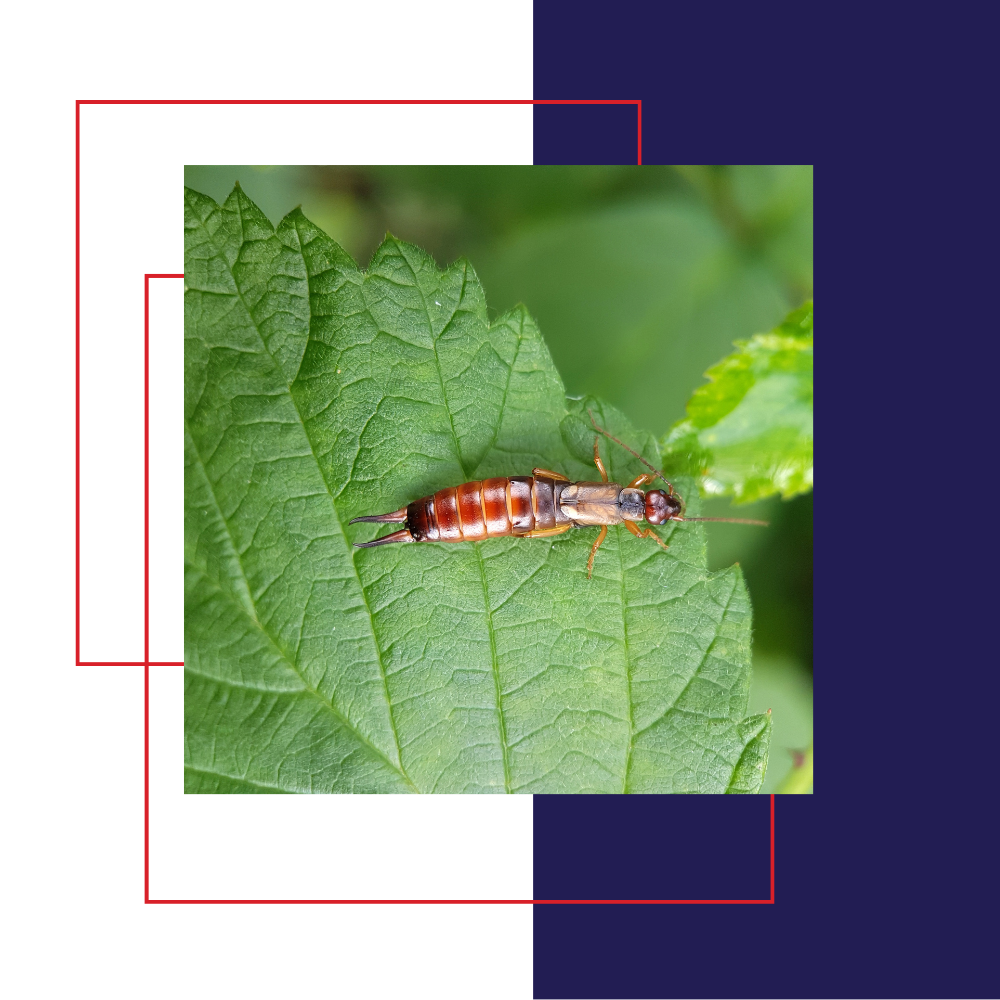
Despite the name, they’re not interested in crawling into anyone’s ears. That myth sticks around because of their appearance, especially the pincers at the end of the abdomen. Those pincers can look dramatic, but the bigger concern is their behavior. Outdoors, these bugs feed on decaying plant material and help break things down, but they also nibble on living plants when populations grow. They’re known for chewing small holes in leaves, damaging seedlings, and leaving rough, uneven edges on petals and soft fruits. That means a garden that looked healthy yesterday can suddenly have visible damage that seems to show up overnight.
Earwigs are also nocturnal. During the day, they hide in cool, dark places like beneath mulch, rocks, landscape timbers, and piles of damp leaves. That’s why daytime sightings can matter. If you’re seeing them in the afternoon, it often means their hiding areas are overcrowded, disturbed, or no longer comfortable due to heat and drying. In other words, what you’re seeing is a symptom of a bigger pattern happening around the property. Our service is designed around that reality, because the real solution comes from addressing the conditions that allow them to thrive, not just reacting to a single sighting.
Signs Of Their Activity And Why It Matters
These pests' activity can be subtle at first, which is part of why it catches people off guard. One of the most common signs is finding them trapped in sinks, tubs, or other smooth surfaces. They wander in at night searching for moisture, then can’t climb back out easily. Seeing one or two might not feel like a big deal, but repeated sightings usually suggest outdoor populations are building near entry points. Another clue is clustering. If you flip over a damp doormat, move a flowerpot, or lift a patio stone and see several of these intruders scurrying away, that’s a sign they’ve established a presence nearby.
Their activity almost always points to moisture issues and heavy shelter zones around the structure. Overwatered landscaping, clogged gutters, standing water near the foundation, and thick mulch against exterior walls can create a cool, humid climate that earwigs love. When that environment stays consistent, populations can persist and surge seasonally, especially after storms. That’s why this kind of infestation issue often come back year after year unless the underlying conditions are corrected. It’s also why professional help can make such a difference, because the goal isn’t simply to reduce numbers today, but to keep the environment from supporting the same rebound later.
How Our Approach Works
Effective control measures require more than a quick surface treatment. These insects spend most daylight hours tucked into protective spaces, so the plan has to focus on where they hide and how they travel. Our process begins with an inspection that looks for activity patterns, moisture sources, and likely harborage zones. We pay special attention to irrigation overspray, leaking outdoor faucets, condensation near HVAC lines, clogged drainage areas, shaded borders, and heavy organic debris. Those details matter because unwanted populations won't be randomly scattered around the property, as sightings will likely follow a pattern of moisture and available shelter.
Once we understand what’s driving the issue, we apply targeted treatments in the areas that matter most. Exterior perimeter applications help reduce the number that wander inside by creating a protective zone near foundations, door thresholds, and common entry points. We also treat key outdoor areas where insect populations are likely to gather, such as mulched beds, garden edges, shaded patio borders, and other moist pockets that hold them during the day. If earwigs have already made it indoors, we address those interior areas directly instead of treating rooms that show no signs of activity.
We also take prevention seriously, because that’s what strengthens long-term results. Along with treatment, we give clear, practical guidance on improvements that support control, like adjusting watering schedules, reducing heavy mulch buildup, improving drainage, and sealing gaps where insects can slip inside. This is where the real difference happens. Sprays alone can reduce visible activity, but a strategy that combines treatment with habitat correction is what keeps earwigs from turning into a repeat problem. We aim for results that make sense for the way your property is used, not unrealistic recommendations that don’t fit your routine.
Steps That Keep Them From Returning
Earwig prevention comes down to reducing the factors that attract them: moisture, shade, and shelter. For many Texas properties, water management is the biggest piece. When sprinklers soak the foundation nightly, or grass beds stay constantly damp, unwanted guests have no reason to leave. Adjusting irrigation so surfaces dry before evening can help dramatically, since earwigs become active after dark.
Exclusion is another valuable step. Sealing cracks, updating door sweeps, repairing screens, and closing gaps around utility lines can reduce indoor intrusion. Earwigs don’t need a wide opening; small spaces along thresholds or foundations can be enough. Since earwig activity often spikes after storms, routine monitoring matters as well. If you’ve dealt with them before, proactive service can help keep populations low, preventing surprise indoor sightings from becoming part of your seasonal routine.
If earwigs are showing up indoors, clustering around entryways, or damaging plants in your landscape, we can help you get control with a focused plan that addresses both the insects and the conditions that support them. Contact us today at Texas Pest Elimination to schedule an inspection, ask questions about our various service options, and get straightforward guidance on what will work best for your property.
Frequently Asked Questions About Earwigs
Q1. Why Do Earwigs Keep Showing Up Even After I See Them Disappear For A While?
A1. Earwig activity often comes in waves because they’re strongly influenced by moisture and weather shifts. After rain, overwatering, or a sudden temperature change, they’ll relocate to areas that feel cooler and damp, including wall voids, garages, and bathrooms. A service plan focuses on reducing the outdoor population and cutting off the conditions that make your property an easy hangout spot in the first place.
Q2. Will Earwig Service Help If The Problem Is Mostly In My Garden And Not Inside The House?
A2. Yes, and that’s actually one of the most common scenarios. Earwigs tend to build up outdoors long before they wander inside. Treatment around planting beds, mulch zones, and shaded borders helps reduce the numbers that are feeding on tender growth and hiding under pots or landscape materials. The key is targeting the areas they shelter during the day, not just where they’re spotted at night.
Q3. How Fast Should I Expect Results After A Professional Earwig Treatment?
A3. You’ll usually notice fewer sightings within the first week, especially near entry points and damp exterior areas. That said, earwigs don’t all move at the same pace, and some may continue to emerge from hidden pockets for a short time. A well-designed service also includes prevention guidance, so the drop in activity doesn’t just look good for a few days, but holds up over the season.