Gopher Removal And Control
Gopher tunneling has a way of catching property owners by surprise, often beginning with small disruptions that gradually develop into widespread landscape issues. Soft spots form beneath the grass, irrigation lines start to show strain, and plant roots lose the stability they depend on. Our team pays close attention to these early disturbances, studying how these creatures carve out their networks beneath the surface and what environmental features might be encouraging them to stay. By examining soil shifts, feeding patterns, and the direction of fresh tunnels, our professionals gain a clear picture of how far the activity extends. Acting before tunnels spread farther helps protect the ground from deeper weakening and gives the landscape a better chance to recover without extensive restoration work.
Understanding Their Behavior And Property Impact
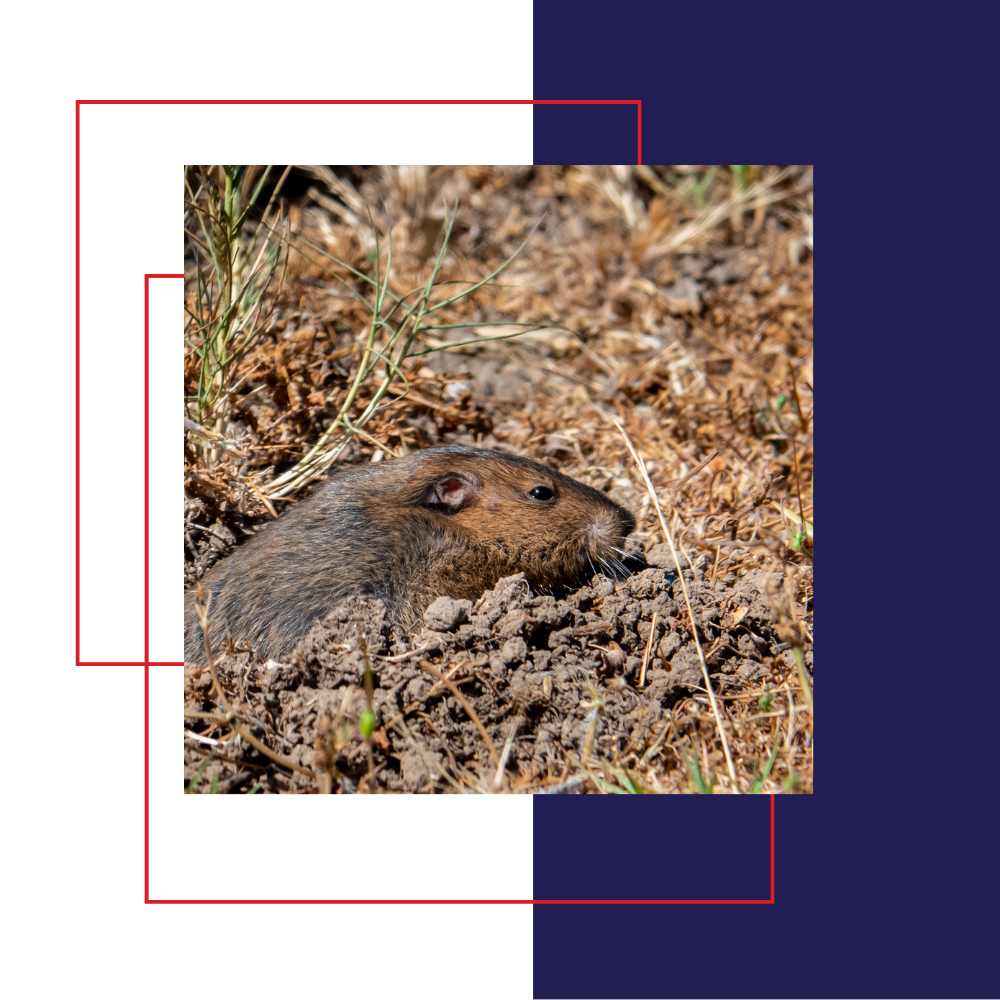
Gophers thrive in soil that gives way easily and supports abundant vegetation. Their digging loosens the earth, leaving lawns uneven and reducing the reliability of the ground underfoot. Many property owners first notice small mounds scattered across the yard. These piles may appear insignificant at first glance, yet they typically indicate extensive underground passages forming beneath the surface. Our professionals treat these mounds as valuable clues, since their placement reveals where the rodent has traveled and how frequently it returns to certain feeding areas. By mapping these signs, our team determines which sections of the property face the greatest disruption.
Vegetation often provides another indicator of activity. When roots lose their stability, plants start thinning out or leaning in irregular ways. Tunnels also interrupt moisture distribution in the soil, making it harder for irrigation to reach the areas that need it. Even the most resilient plants struggle when their root systems are compromised. Our services prioritize recognizing such early stress signals so the landscape doesn’t slip into more serious decline. Although gophers work alone, a single animal can create an unexpectedly large network, which is why detailed assessment matters so much in addressing the problem thoroughly.
Our Targeted Methods
Our team approaches each property with the understanding that soil conditions, vegetation type, irrigation habits, and overall layout all influence how gophers behave. Because no two situations mirror each other, we focus on gathering accurate on-site observations before choosing any method of removal. By locating active tunnels and identifying feeding hotspots, we determine where interventions will be most effective. Since the majority of gopher activity occurs underground, concentrating on subsurface patterns allows us to apply measures directly to the areas most affected, avoiding unnecessary disruption to the surrounding landscape.
Communication is a central part of our process. Our professionals explain the conditions we find, how they affect gopher movement, and why certain techniques match the layout of the property more effectively than others. Soil moisture, watering schedules, and landscaping features all influence the routes these rodents choose. Recognizing these factors guides us toward decisions that align with the natural behavior of the pest. Although it isn’t just the visible mounds that matter, the activity hidden beneath the soil plays a much larger role in shaping our strategy. By evaluating the freshness of tunnels, analyzing soil firmness, and identifying areas of root damage, we create a plan that feels purposeful and grounded in the actual conditions of the property.
Long-Term Landscape Protection
Once initial removal efforts are complete, long-term protection becomes crucial for preserving the stability of the landscape. Gophers tend to return to areas that offer soft soil, abundant roots, or consistent moisture, so examining these contributing elements helps reduce the likelihood of recurring disturbances. Our team works with property owners to pinpoint features that may unintentionally attract continued tunneling, such as certain plant varieties or watering habits that create ideal digging environments. Even small adjustments can significantly influence how appealing the soil appears to burrowing pests.
Texas weather patterns shift frequently, and seasonal changes can alter soil texture in ways that create new opportunities for gopher activity. Our professionals help property owners understand how these shifts influence tunneling and how to adjust maintenance routines to protect the soil as conditions evolve. Thoughtful, routine evaluation strengthens the ground and encourages healthier root development, making the property more resistant to future disruption. Long-term protection supports both the structural integrity of the landscape and the overall vitality of the vegetation growing within it. Many property owners value continued guidance as their surroundings change, since landscapes benefit from periodic check-ins to remain resilient.
When lawns begin sinking in uneven patches or plants lose their strength without explanation, frustration grows quickly. These sudden changes highlight how swiftly gophers can alter the look and function of a yard. Our team brings extensive field experience to each case, relying on evidence gathered from the property itself rather than guesswork or assumptions. This approach helps owners understand the root of the issue and the rationale behind each recommended step.
Our team at Texas Pest Elimination provides targeted gopher removal services designed to restore soil strength, support healthy vegetation, and protect landscapes from ongoing disruption. If tunneling is affecting your property or you’d like more information about how our team can help you, contact us to discuss your situation today.
Frequently Asked Questions About Gophers
Q1. How Do Gophers Typically Establish Tunnels On A Property?
A1. Gophers tend to look for soil that feels workable and rich in roots they can feed on. Once they discover a favorable spot, they carve out chambers and passageways that expand a little at a time. These tunnels branch in different directions depending on moisture levels, plant placement, and how easily the soil can be pushed aside. In many cases, the first hint of activity is a scattered set of fresh mounds rather than visible damage above ground. Understanding where these entry points form helps determine how active the rodent has become and which areas need the most attention.
Q2. What Makes Professional Gopher Removal More Effective Than Trying To Handle It Alone?
A2. Gopher behavior changes depending on soil density, hydration patterns, and available vegetation, which means the most effective strategies rely on identifying where the rodent is spending its time underground. Professionals study tunnel depth, direction, and feeding locations to choose methods that target the most active zones instead of relying on surface clues alone. This approach reduces unnecessary disturbance to the yard and helps ensure the measures put in place match the specific conditions of the property. Property owners often find that expert assessment clarifies the source of the issue and leads to more dependable long-term results.
Q3. How Can Property Owners Reduce The Chances Of Future Gopher Activity After Removal?
A3. Reducing future activity involves making the soil less inviting to burrowing rodents by adjusting factors that may have encouraged the initial intrusion. This can include moderating watering routines, strengthening soil structure, or replacing plants that offer particularly appealing root systems. Seasonal changes also influence soil texture, so checking how the ground shifts during different times of year helps guide effective upkeep. When owners monitor these conditions and adjust routine maintenance as needed, the landscape becomes far less vulnerable to renewed tunneling.