Opossum Removal And Control
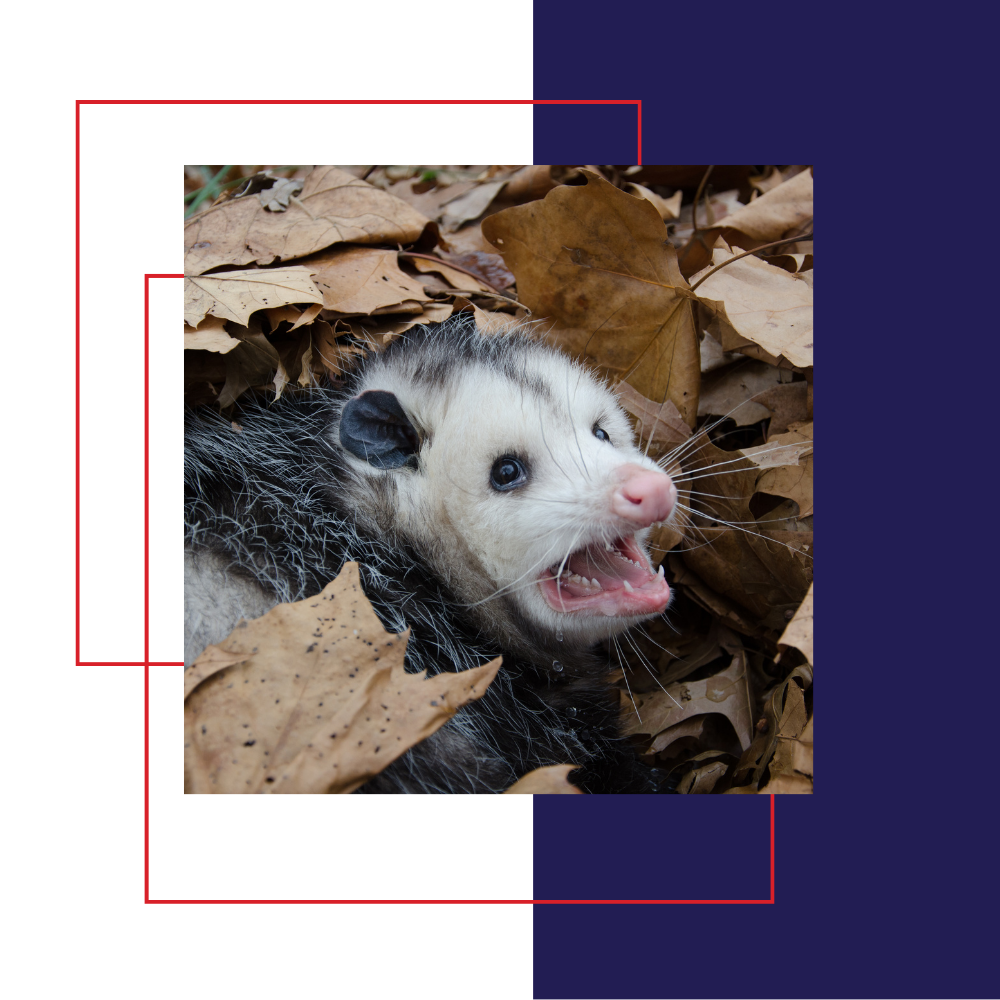
Homeowners across Texas often discover signs of wildlife settling closer than expected, and one animal that frequently creates stress within households is the opossum. Although it tends to wander quietly, the disturbance becomes noticeable when it squeezes into attic spaces, crawl areas, or storage corners. Even a single intruder can overturn outdoor bins, scatter debris, or leave odors drifting indoors through vents and gaps. These situations grow more complicated when noises echo at night or when damaged insulation begins affecting comfort within the home.
Our professionals understand how a property’s environment shapes the movement of critters trying to enter. A structure with worn siding, unsecured vents, or neglected roof damage provides opportunities for an opossum to explore. Once it discovers a sheltered pocket, it settles in and becomes increasingly persistent. Homeowners often report rustling above ceilings, unusual stains around entry points, or outdoor clutter that seems to appear suddenly. All of these signals help us determine how deeply the activity has progressed and what steps will be required to restore order.
We focus on identifying the exact conditions that drew the animal to the property. Whether it entered through a small gap at the eave, followed the scent of discarded food, or moved in from a nearby thicket, each detail contributes to a clearer understanding of what needs to be addressed. This knowledge lays the foundation for developing a plan tailored to the property rather than relying on generalized assumptions.
Inspection And Strategic Planning
A thorough inspection shapes the entire process. Our professionals evaluate rooflines, attic voids, foundation edges, crawlspaces, garages, and yard features that may have allowed entry. Every property presents its own challenges, and the starting point varies depending on where the animal has traveled. Tracks, droppings, disturbed insulation, and damaged screening are among the signs we look for to determine the animal’s route. By piecing together these clues, we can see how the intrusion began and how far it has progressed.
Once we confirm the active areas, we design a targeted strategy centered on the specific circumstances surrounding your infestation. If the opossum has nested within the insulation material, has created pockets behind stored belongings, or used multiple access points, the plan must take all of the relevant information into consideration. Our approach prioritizes both removal and long-term prevention, since leaving contributing factors unaddressed allows the problem to reappear. Structural weaknesses, available food sources, and cluttered yard sections all influence wildlife behavior, and we evaluate each of these elements before moving forward.
This phase often helps homeowners understand how easily wildlife can take advantage of minor structural issues. A small section of loose siding or a gap around utility lines may appear insignificant but can provide enough space for repeated entry. By clarifying these vulnerabilities, we help reduce confusion and prepare homeowners for the next steps.
Removal And Long-Term Protection
Once initial planning is complete, our professionals move into the next step, which is the removal phase. Locating the opossum inside dark corners or elevated storage areas requires attention to detail. These animals often settle behind insulation, around HVAC components, or within hard-to-reach attic pockets. The process demands patience and skill, and our team handles each situation in a controlled manner that limits additional disturbance to the household. Because the climate and conditions across Texas vary significantly, the behavior of wildlife shifts with the environment, which is why adaptability is essential during this stage.
After the animal is removed, the focus turns to preventing future entry. We reinforce vulnerable spots by repairing gaps, securing vents, strengthening weak structural areas, and ensuring that common access points no longer pose a risk. A property that has previously housed an opossum becomes especially attractive for repeat visits if weaknesses remain, so our efforts emphasize long-term stability rather than temporary fixes.
We also help homeowners understand how small changes can significantly reduce wildlife interest. Pet food left outside, unsecured trash, overgrown shrubs, and cluttered storage areas can all encourage animals to return. Highlighting these factors gives homeowners more control and creates an environment that discourages intrusion. Once structural reinforcement is complete, we address the aftermath within the affected spaces. Contaminated insulation, stains, and lingering odors require thorough treatment to restore comfort and improve the overall condition of the property.
Restoring Comfort And Reducing Future Risk
Experiencing wildlife activity inside or around a home can disrupt daily routines. Strange nighttime sounds, damaged belongings in storage spaces, or unexpected encounters near porches all contribute to that discomfort. Our goal is to bring the household back to a calmer and more predictable state by not only addressing the current intrusion but also lowering the chance of a repeat event. Through structural improvements, habitat adjustments, and clear communication, we help homeowners regain confidence in their property’s stability.
If an opossum has created concern within your property or you’ve noticed early signs of intrusion, our team at Texas Pest Elimination is prepared to inspect, remove, and reinforce your structure with a reliable and detailed approach. Make sure to contact us today to schedule a consultation or if you have any questions about our services.
Frequently Asked Questions About Opossums
Q1. How Can I Tell If An Opossum Has Started Occupying A Hidden Space In My Home?
A1. Homeowners often notice subtle changes before realizing an animal has moved in. Soft shuffling sounds at night, shifting insulation, unusual odors drifting through vents, or small openings appearing near the roofline can all point to activity. An opossum typically looks for quiet, undisturbed pockets, so these early signals are valuable. A professional inspection can confirm whether the animal has settled inside and identify the exact areas it is using.
Q2. What Makes A Property Appealing To An Opossum In The First Place?
A2. These animals explore any location that offers both shelter and reliable food sources. A yard with thick brush, unsecured trash, or sheltered structural gaps creates an inviting environment. Once an opossum notices the combination of cover and access, it may return repeatedly. Reducing attractants, maintaining exterior materials, and keeping outdoor areas organized helps lower the chance of an animal choosing your home as its next hiding spot.
Q3. Why Should Removal Be Handled By Professionals Instead Of Attempting It Alone?
A3. Removing an opossum requires knowing how it moves, where it hides, and how to extract it without creating more disruption. These animals often settle in tight corners or behind stored items, which makes locating them difficult. A trained specialist understands their behavior and can handle the situation without damaging the structure or causing further stress inside the home. This approach also allows for proper cleanup and reinforcement once the animal is removed.