Flea Exterminator
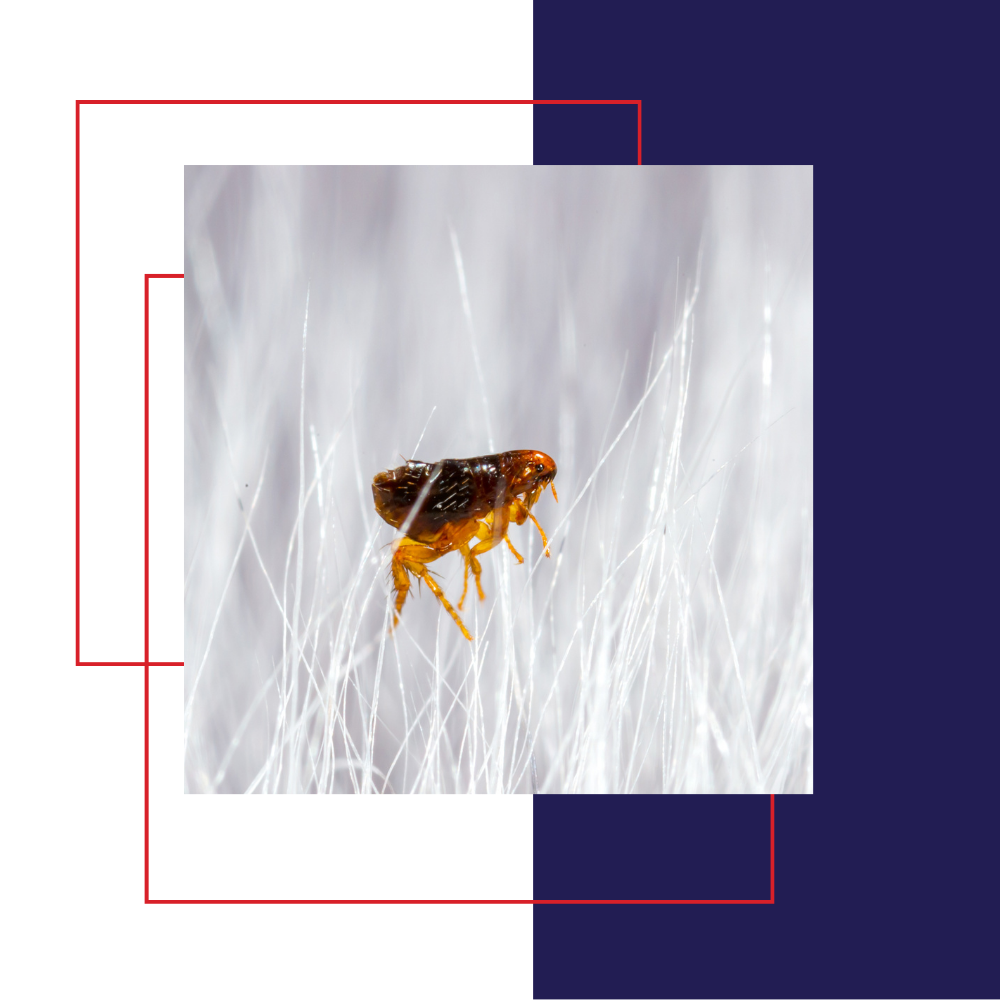
Fleas create disruptions that often feel overwhelming compared to their small size. Seeing even one can spark irritation, yet the real issue forms when many begin feeding, breeding, and spreading through a home. These insects rely on warm-blooded hosts, and their ability to jump long distances allows them to travel between pets, carpeting, furniture, and shaded outdoor spots with surprising ease. Once they settle in, fleas can cause itching, sleepless nights, and persistent frustration for people and animals alike.
Our team approaches this type of activity by looking beyond the quick-moving adults that tend to draw the most attention. The real difficulty lies with the eggs, larvae, and pupae hidden in deep fibers, cracks, and soft materials. These growth stages prefer undisturbed places, which makes normal cleaning feel ineffective. A home can appear tidy while thousands of developing fleas sit quietly out of sight, preparing to emerge. That’s why we study the entire pattern of movement, pet habits, and environmental conditions before recommending a plan.
Understanding how fleas behave gives us the ability to build strategies that target the source of the issue rather than temporarily reducing surface activity. When we know where immature stages gather and what environmental factors support their growth, our team can shape an approach that aims to interrupt the life cycle effectively. This step tends to be essential for reducing the chance of recurring irritation.
Comprehensive Inspection And Targeted Treatment Approach
A thorough inspection guides every flea service we provide because no two infestations behave exactly alike. Some begin outdoors when pets pick them up from shaded soil or other wild animals. Others start when developing stages hatch inside carpeting or in quiet corners that haven’t been disturbed for weeks. By mapping out flea travel routes and resting areas, our professionals identify the hotspots where early growth stages gather, feed, and mature.
After this inspection, we design a treatment plan that fits the property’s structure and the extent of flea activity. Different surfaces require different techniques, and our services use targeted applications to address multiple life stages. Carpets, upholstery, baseboards, and outdoor transition areas often need specific attention due to the way fleas move between pets and surfaces. We focus on the locations most likely to contain larvae or pupae since these stages often determine how quickly the population rebounds.
Clear communication with the homeowner supports the entire process. Tasks like preparing pet bedding or adjusting vacuuming routines can help reduce the remaining pest population and strengthen the effectiveness of our treatment. We avoid recommending steps that feel unrealistic for the household's schedule because consistency is more valuable than intensity. When the plan fits naturally into a family’s routine, it produces better long-term results.
Ongoing Monitoring And Prevention Strategies
Treatment works best when paired with thoughtful monitoring. After addressing heavy areas of flea activity, we check whether the population decreases as expected. Some homes improve quickly, while others require follow-up visits due to layout, outdoor conditions, or the movement patterns of pets. Monitoring helps us confirm that flea development is being disrupted and shows whether new adjustments are necessary.
Long-term prevention plays a major role in reducing future infestation issues. We provide guidance that connects with everyday habits rather than disrupting them. Vacuuming patterns, grooming routines, placement of pet bedding, and awareness of outdoor risk areas all influence whether a pest population will return. By teaching homeowners to notice early signs, we help them address small problems before they grow large enough to spread.
Each home presents unique challenges. Carpeting behaves differently from hardwood floors, and homes with multiple animals have different needs than apartments with one pet. Our prevention recommendations adapt to these details so the environment becomes less suitable for an infestation to develop. This personalized approach helps create conditions where insect colonies struggle to maintain a foothold.
Why Professional Intervention Makes A Noticeable Difference
Many infestations often feel manageable at first, but over-the-counter treatments rarely reach every stage of development. Adults seen on pets or floors represent only part of the population. Many larvae and pupae develop quietly in hidden locations where common sprays or powders don’t reach effectively. Professional intervention allows for a structured approach that targets these overlooked areas.
Our team uses tools and training designed to study factors that contribute to flea survival, including moisture levels, airflow, pet traffic paths, and quiet zones where larvae settle. When these details are analyzed carefully, treatment becomes far more precise. This precision helps reduce the frustrating cycle in which these insects seem to vanish for a short time, only to reappear days or weeks later.
We also stay informed on updated treatment techniques and research findings that refine our methods. Since pest behavior can shift with environmental changes, understanding current best practices helps us build stronger strategies for homeowners dealing with persistent issues.
Fleas can greatly disrupt the comfort of a household very quickly, and controlling them requires careful inspection, targeted treatment, and thoughtful prevention planning. Our professionals work to identify the specific conditions that allow these pests to thrive so we can restore a sense of normalcy for families experiencing these challenges. If you’re seeing signs of an infestation or suspect that flea activity is increasing, contact us today at Texas Pest Elimination to request service or ask for more information.
Frequently Asked Questions About Fleas
Q1. How Do Fleas Spread Through A Home So Quickly?
A1. These insects, in particular, multiply at a surprisingly fast rate because the adults move easily between pets, flooring, and furniture while hidden eggs fall into carpets or upholstery without being noticed. As pets rest or walk through different rooms, they unintentionally distribute early life stages across the home. Once the larvae mature and new adults emerge, the population grows rapidly. Professional treatment helps break this cycle by addressing every stage rather than focusing only on visible activity.
Q2. What Signs Suggest That An Infestation Of This Kind Is Growing?
A2. Frequent scratching from pets is often the first clue, but other indicators appear as the infestation expands. Small dark specks may accumulate in bedding or fabric folds, and tiny jumping insects might be spotted near flooring or soft furnishings. People may also experience unexplained bites on ankles or lower legs. When these symptoms begin appearing in multiple rooms, the population is likely developing beyond what basic cleaning can manage.
Q3. What Makes An Issue With Fleas More Complicated Than Other Household Pest Issues?
A3. Problems with these specific insects are extra challenging because they develop in stages while hiding deep within fabrics, cracks, and shaded areas. While the adults are visible, most of the population stays out of sight until they mature. Their ability to survive in protected spots means a home can appear calm even while new waves are preparing to emerge. Professional treatment accounts for these hidden stages and focuses on disrupting development to create more dependable results.