
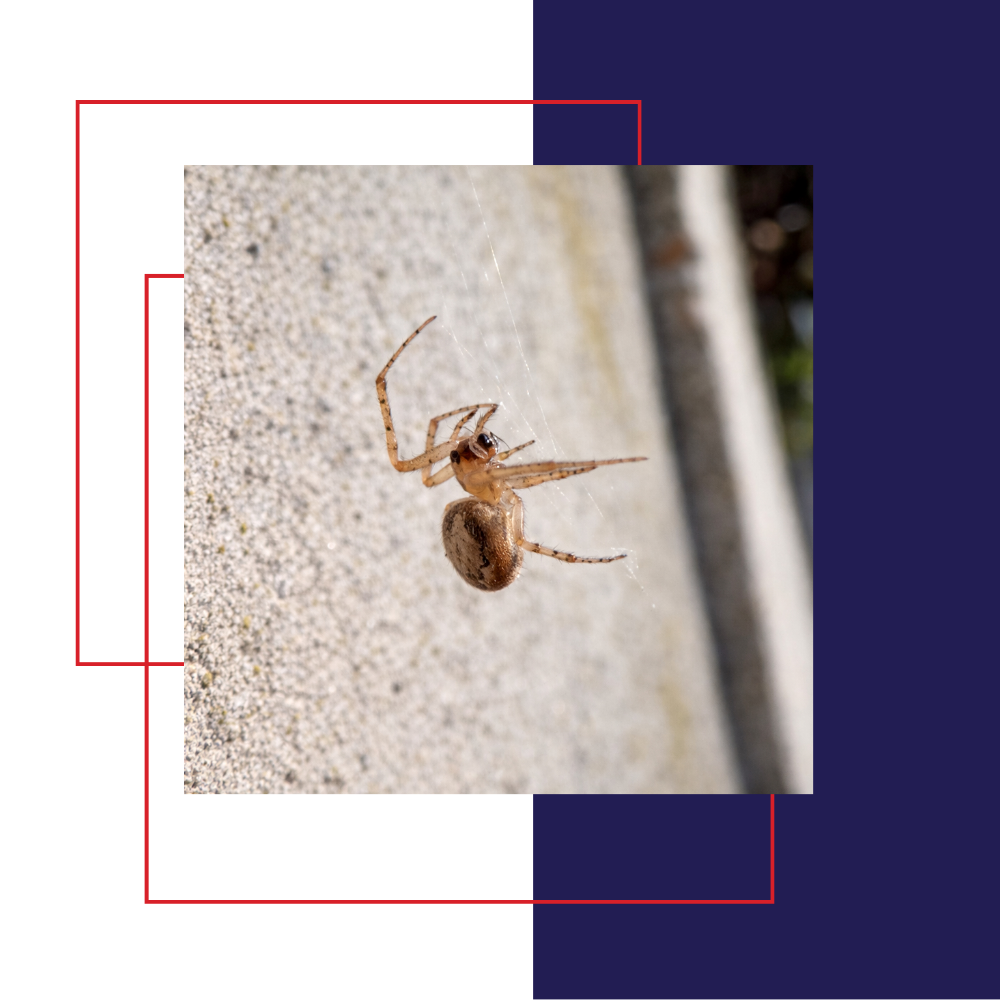
Spider Exterminator
Spiders turn up in places where insects thrive, and many Texas properties create exactly the kind of conditions that draw them in. Warm seasons bring out dense insect activity, and shaded corners, cluttered storage areas, and quiet rooflines offer hiding places that the unwanted creatures use for shelter and egg-laying. Indoors, they end up behind furniture, inside utility spaces, or in upper corners that don’t see much movement. Outdoors, they linger along eaves, woodpiles, foundation gaps, and vegetation that touches structures.
While these creepy intruders play a role in the environment, their presence in living or working areas quickly becomes a concern. Webs accumulate in corners, some species deliver uncomfortable bites when trapped or startled, and high populations can make a building feel neglected. Our work begins with a close look at what’s attracting them in the first place. We study the areas where insects gather, the points where these nuisance creatures slip inside, and the structural details that lead to repeated activity.
That initial evaluation guides every step that follows. Our professionals look for patterns in behavior, noting whether spiders are nesting, hunting, or merely passing through. By doing that, we determine whether the issue stems from outdoor conditions, indoor access, or a combination of both. This approach helps us choose techniques that match the environment rather than relying on a single routine.
The conditions around Texas properties vary from place to place, so no two infestations unfold the same way. Humidity shifts, vegetation density, and building materials all influence how these pests behave. Our responsibility is to read those variables carefully before forming a plan, making sure the work suits the structure instead of forcing the structure to fit the work.
When clients understand what drives the behavior of the invaders, they gain a clearer picture of how removal strategies work. We make it a priority to explain what we find during assessments, along with what those findings mean for long-term results. That clarity allows each customer to make informed decisions about the service we provide.
Detailed Removal Methods And Focused Treatments
Our process begins with locating the areas where activity concentrates. Some species hide low to the ground, slipping into wall gaps and foundation openings. Others choose high positions where insects drift past. Our technicians sweep through interior and exterior zones to identify these patterns, clearing webs, removing egg sacs, and pinpointing the underlying insect sources that fuel the population.
Once we understand the layout, we apply treatments that target the species involved. Different species react differently to environmental conditions, and our strategy adjusts accordingly. We select materials with precision and place them in the locations that influence behavior most effectively. Cracks, secluded corners, crawl spaces, and structural voids often require special attention, especially when spiders retreat into narrow areas.
Indoor treatment is equally detailed. We remove webs with specialized tools, treat quiet corners, and seal gaps when possible. These adjustments help reduce the chance of spiders reclaiming the same spots after service.
Preventive Measures That Strengthen Long-Term Results
Spider removal works best when property conditions support it. After treatment, we emphasize prevention to help clients maintain results. Many preventive measures are simple but make a noticeable difference over time. Clearing clutter, reducing excess moisture, trimming vegetation, and minimizing insect access all influence whether spiders return.
We often recommend improving storage conditions in garages, attics, and sheds. Spiders prefer undisturbed areas, and reorganizing these spaces discourages long-term nesting. Outdoors, maintaining a reasonable perimeter gap between vegetation and structures helps limit migration. Even small adjustments, like managing exterior lighting or replacing torn screens, can reduce future activity.
Our guidance also includes suggestions tailored to each building. Some properties face issues related to drainage. Others deal with structural gaps that form as materials age. By identifying these weak points early, we help property owners reduce the conditions that spiders search for.
Why Our Methods Achieve Better Results
This kind of infestation might seem straightforward at first glance, yet these situations can grow complex when multiple species gather around the same structure. Effective removal depends on understanding each species’ habits, preferred hiding places, and responses to environmental cues. Our team studies these factors closely so our work matches the unique challenges of each job.
Professional attention also brings specialized tools and materials that handle the problem with precision. We treat structural voids, elevated corners, and hidden pockets that are tough to reach without training. We also track subtle signs that indicate where spiders travel or build future nests, allowing us to intervene early rather than reacting after populations expand.
Clients benefit from the confidence that comes with a structured, informed approach. Instead of guessing why spiders continue appearing, they receive clear answers and actionable solutions. Even one well-designed service visit can shift the environment dramatically, giving the property a stronger foundation for long-term control.
If spiders have become a problem around your property, we’re prepared to help. Our team offers careful inspections, precise treatments, and prevention techniques that support long-term results. To schedule service or ask for additional details, contact Texas Pest Elimination so we can provide the information and assistance you need.
Frequently Asked Questions About Spiders
Q1. How Do Professional Services Pinpoint The Source Of A Growing Infestation?
A1. Technicians begin by studying the areas where insects gather since those zones usually guide these creatures to a structure. They check upper corners, foundation gaps, shaded outdoor pockets, and any spot that shows repeated web building. By mapping out these patterns, they identify what is drawing spiders in and determine which entry points or environmental conditions are supporting the population. This careful evaluation allows them to build a removal plan that fits the property rather than relying on broad assumptions.
Q2. What Makes Expert Removal More Effective Than Basic Cleaning Or Store-Bought Treatments?
A2. Many species settle into hidden recesses that routine cleaning never reaches. Specialists know how to locate these undisturbed pockets and use tools that remove webs, egg sacs, and lingering pests in hard-to-access areas. They pair that work with targeted materials placed where spiders move most often. Because they also address the insects that serve as a food source, the overall environment becomes far less appealing, giving the property longer-lasting relief than surface-level efforts provide.
Q3. Can Preventive Steps Reduce The Chances Of Spiders Returning After Treatment?
A3. Several simple adjustments can influence long-term results. Clearing clutter in storage areas limits the quiet corners spiders rely on. Trimming vegetation that touches exterior walls reduces the natural pathways they use to reach indoor spaces. Improving lighting choices and fixing worn screens help cut down on insect traffic, which lowers predator activity over time. When paired with scheduled inspections, these preventive habits support a steady reduction in future activity.