Bat Removal And Control
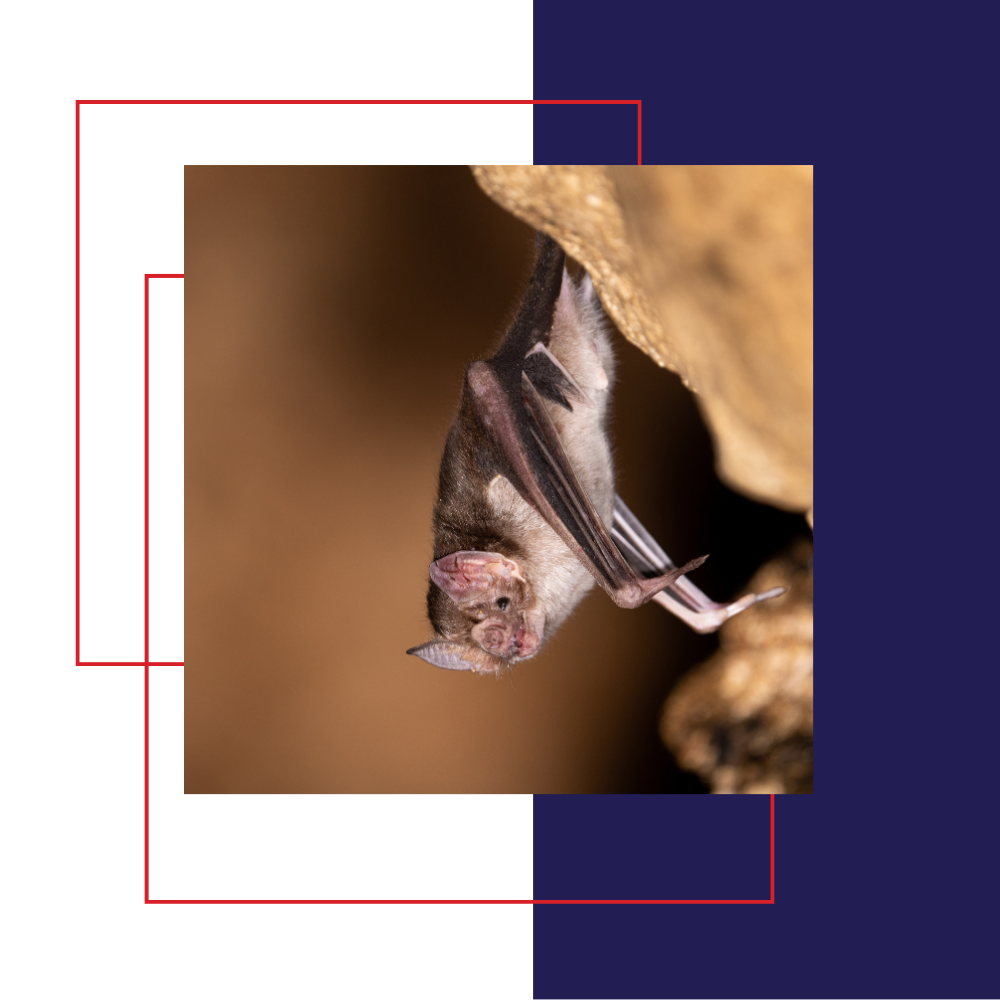
Discovering bat activity inside a home or business is an unexpected, unsettling experience for property owners, especially when the animals have already started settling into hidden spaces you didn’t even know existed. Even though they contribute to the broader ecosystem, the presence of these furry flyers indoors introduces problems that, left unaddressed, will gradually worsen in multiple ways. Their droppings, also known as guano, can cause strong odors, promote fungal growth, and draw insects. Sounds at dusk or dawn often become more noticeable as the colony grows, and an unexpected sighting inside a room is even more trouble added to an already stressful situation.
Our professionals examine how these patterns develop and how these creatures behave during different times of the year. When temperatures change rapidly, colonies may shift their position within a structure, which can create unpredictable bursts of activity. Each building presents unique traits, which can include the materials used during construction, gaps in the frame, and even hidden pockets that would have otherwise remained undiscovered. Solving the problem involves much more than blocking a visible crack or removing a single critter. Achieving successful results requires understanding the animal intruder and taking strategic measures to handle the infestation without causing unnecessary damage.
Why Careful Planning Improves Effectiveness
Removing bats from a structure involves measured decisions rooted in timing, building science, and predictable behavior. The goal is to encourage a complete departure without forcing the colony into tighter voids or unfamiliar corners. Many property owners assume these animals behave like other wildlife, yet their instinct to return to the same roost sets them apart. When one access point closes abruptly, they may search persistently until they locate a missed entryway. Attempts to resolve the situation independently can unintentionally reinforce the roost instead of eliminating it.
Our team takes time to understand the layout of the structure before beginning any exclusion. Identifying the correct openings isn’t about speculating, it’s about observing where the colony consistently enters and exits. Seasonal timing guides much of this process. The approaches we would take in late summer aren’t the same ones we would use in early spring, and shifting weather can alter wildlife movement abruptly. Allowing these observations to shape the plan helps the building transition from repeated intrusion toward restored stability.
Cleaning guano left behind is another significant part of the service. Droppings can accumulate in insulation, on rafters, or along narrow framing spaces. Removing these materials requires careful attention to detail to prevent disturbing or contaminating surrounding areas, and to ensure each affected spot is handled thoroughly. A well-established roost can leave layered deposits that blend into building materials if not addressed carefully. Our approach aims to clear these remnants and reestablish an environment that feels comfortable again.
Long-Term Protection Through Structural Evaluation
Once the active colony is taken care of, the next stage of the plan becomes preventing unwanted creatures from returning. Long-term protection depends on reinforcing the building so that conditions no longer favor entry. Bats rely heavily on memory, and if an opening served them reliably before, they may revisit it during seasonal shifts. That’s why every potential vulnerability matters. Attic transitions, ventilation coverings, roof intersections, and exterior seams can all form slight openings that go unnoticed but still provide access.
Our professionals study the building envelope to determine which areas contributed to the intrusion in the first place. Sometimes, the concern begins with older materials that have separated over time, while in other cases the issue stems from design features that need adjustment. Because every structure has its own quirks, the approach we take differs based on the details of each situation. When these weaknesses are reinforced, the building no longer offers reliable shelter to unwanted intruders, reducing the incentive for a colony to attempt reentry.
Many owners feel relief once the removal stage is complete, yet long-term success depends on thorough prevention. Even faint scent cues or familiar routes can encourage animals to revisit a structure if the vulnerabilities remain. Our team focuses on sealing, repairing, and modifying architectural features so these openings don’t reappear after seasonal cycles. This step minimizes the chance that the issue resurfaces and provides lasting reassurance.
Bat activity fluctuates based on temperature, available food sources, light patterns, and colony dynamics. Their choices often differ from what people expect, which creates confusion when movement becomes inconsistent. Professional insight turns that unpredictability into a structured plan. Since no two properties share the same layout, our professionals adapt exclusion methods to match the building rather than rely on a formula.
Understanding how colonies respond to environmental cues allows us to design exit paths that keep their movement predictable. This controlled approach reduces stress on the animals and helps prevent repeated disturbances for property owners. Each phase builds upon the previous one and depends on careful timing, measured decisions, and a close reading of the structure. With this level of attention, the results become more effective, and the likelihood of recurring issues decreases.
Bats can create ongoing complications once they establish a roost, and restoring a building requires thorough assessment, appropriate control methods, and structural improvements that are customized for each infestation. Our professionals provide the inspection, exclusion, and building reinforcement needed to bring your property space back to a wildlife-free condition. If you’re seeing signs of bat activity or want to take preventative measures to reduce the chances of future intrusions, contact us today Texas Pest Elimination to learn how our services can support your property.
Frequently Asked Questions About Bats
Q1. How Do We Guide A Bat Colony Out Of A Structure Without Causing Chaos Inside The Building?
A1. We rely on timed exclusion methods that let bats exit naturally while preventing them from slipping back in. Our team watches how they move, pinpoints the exact openings they prefer, and sets one-way devices that direct them outward. This keeps the process calm, organized, and far less disruptive for the property.
Q2. Why Do We Sometimes See Bats Return To A Spot Even After They Seem To Have Left?
A2. We often find that bats revisit areas that offered reliable shelter in the past. If a structure has small gaps near vents, trim, or roof intersections, those spots can serve as repeated entry routes. When seasons shift or temperatures change, the animals may attempt to use those same openings again. That is why sealing each vulnerable area is so important in preventing future intrusions.
Q3. What Steps Do We Take Once The Colony Has Vacated The Building?
A3. After the bats have moved on, we focus on securing the structure and cleaning the affected areas. We seal entry points, repair worn materials, and address any droppings or debris left behind. This combination of reinforcement and remediation helps reduce the chance of another intrusion and brings the property back to a more dependable condition.