
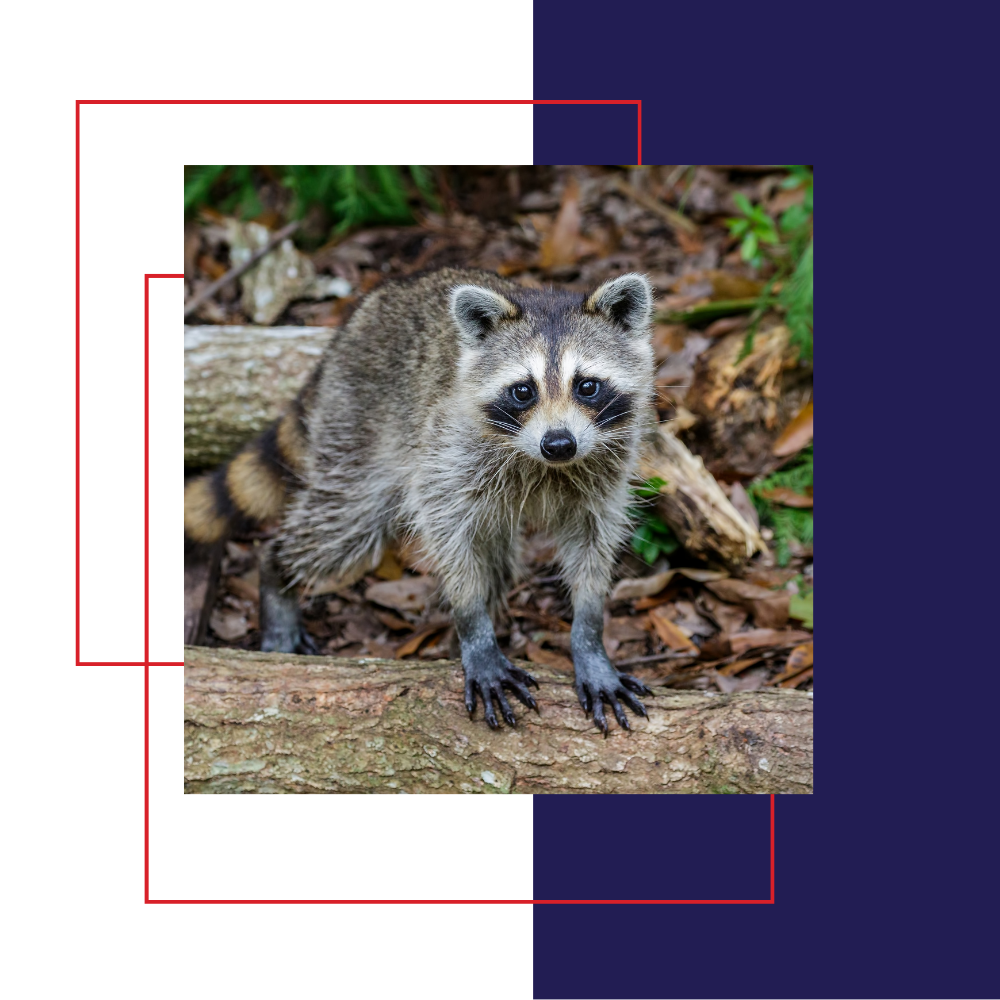
Raccoon Removal And Control
Raccoons have a reputation for curiosity and determination, and those traits can turn into major challenges for homes and businesses across Texas. When these animals find a source of food or a structure that feels comfortable, they tend to treat it as an open invitation. Their nimble paws let them push, pull, pry, and claw their way into attics, crawl spaces, and sheds. Once they establish a route, they keep using it until something stops them.
The trouble goes deeper than occasional noise or rummaged trash. Raccoons can tear insulation, chew through wiring, and break weak points in roofing or siding as they explore. Their nesting habits create messy conditions that lead to lingering odors and contaminated surfaces. If young kits are present, the adults become extremely protective and unpredictable. All of these factors make it risky for a property owner to attempt removal without the right knowledge. For our team, part of the job involves understanding how these animals think, because identifying their patterns helps us interrupt their routines and keep them from returning.
Another issue that catches people off-guard is the way raccoons squeeze through surprisingly small gaps. A space that looks insignificant to a person can feel like a perfect entrance to them. Once inside, they move freely between structural voids, making it tough for someone without training to locate the root of the activity. That is where a methodical inspection becomes essential. Our professionals look for gnaw marks, droppings, disrupted materials, and the distinct pathways these creatures leave behind. These clues guide the strategy needed to remove them and prevent another incursion.
How Our Methods Work In Real Environments
Removing raccoons involves far more than coaxing them out of a corner. Each situation depends on the age of the structure, the size of the property, and the behavior of the animals. Our services begin with confirming whether a single intruder or an entire family unit is present. That distinction shapes every decision moving forward. If young kits are involved, timing and technique matter, because the mother will continue searching for them if separated improperly.
A successful approach requires gradual, deliberate steps rather than rushed reactions. We focus on choosing methods designed to get the animals out without causing chaos inside the structure. Once the animals are gone, closing their access points becomes the next priority. Raccoons often find their way back to familiar spaces, which means any unsealed entry could draw them in again. Blocking those openings takes a careful balance of material choice and placement, since weak barriers can invite repeat intrusion.
Every property holds different challenges. Some attics have extremely limited mobility, and some older homes include hidden routes between floors. We adapt to those conditions by mapping out the structure and determining how raccoons travel within it. The process calls for patience and accuracy, because one overlooked gap or tunnel can ruin the entire effort. By understanding both the animals and the architecture, our team can tailor each removal to the unique circumstances of the location.
Long-Term Prevention And Property Considerations
Removing the current intruders stops the immediate problem, but long-term prevention protects the investment a property owner has made. These clever critters thrive when food and shelter are readily available. If a building provides warmth, quiet, and darkness, they treat it like prime real estate. Part of our work involves explaining how environmental factors contribute to their presence. For example, unsecured vents, aging rooflines, and cluttered storage areas can create perfect hideaways.
Once the unwanted intruders are gone, we focus on the structural vulnerabilities that drew them in. Reinforcing weak points helps prevent future breaches, and minor adjustments often make a major difference. Many property owners underestimate how much damage raccoons cause over time, especially when they stay hidden for months. Chewed wires, torn insulation, and contaminated surfaces reduce energy efficiency and create unpleasant conditions that linger until repaired.
We encourage property owners to pay attention to unusual sounds or patterns, because these masked critters tend to be most active at night. Scratching, thumping, and irregular movement can signal an early problem. Addressing these signs quickly helps limit the damage. Our professionals can walk through the areas affected and explain what likely happened, why it happened, and how to reduce the chance of a repeat incident.
Effective removal calls for caution, preparation, and a firm understanding of animal behavior. These animals climb with ease, defend their space aggressively when threatened, and spread contamination through droppings and nesting materials. Attempting to remove them without training can lead to accidental injury or unnecessary property destruction. Our team approaches each case with measured steps and respect for the unpredictability of wildlife.
We rely on field experience to make informed choices for each property. The goal is to restore order, protect structural integrity, and give property owners confidence that the issue has been handled responsibly. While raccoons can be fascinating creatures, they become a serious concern once they take up residence inside a building. Professional support provides structure, control, and results that last longer than quick temporary fixes.
Texas Pest Elimination offers raccoon removal that reflects a thoughtful, practical approach shaped by real field experience. Our team works to protect local properties from the structural damage and ongoing disruption caused by these animals. To learn more about how we can help or to begin service, contact us so we can provide guidance tailored to your situation.
Frequently Asked Questions About Raccoons
Q1. What Makes Raccoons Choose A Particular Property To Invade?
A1. Raccoons look for quiet, hidden spaces that offer warmth and protection from the weather. If a building has weak entry points, exposed vents, or cluttered areas that create dark corners, it can feel like an ideal place for them to settle. Food sources around the property, such as unsecured bins or pet dishes left outside, also encourage these scavengers to stay close. When these conditions line up, these opportunistic animals tend to return again and again until the access points are sealed and the environment becomes less appealing.
Q2. How Does Professional Raccoon Removal Differ From Attempting It Alone?
A2. Removing raccoons without training can be unpredictable because these creatures defend their space and can move through structures in ways many people do not expect. A professional understands how these intruders navigate attics and crawl spaces and uses techniques designed to move them out with minimal disruption. This process also includes locating hidden routes, sealing openings that might invite them back, and addressing the conditions that allowed them to enter in the first place. Without that knowledge, most attempts end with the animal returning or becoming more difficult to remove.
Q3. What Should Someone Look For If They Suspect Raccoons Have Entered Their Home Or Business?
A3. Early signs often include unusual movement at night, scattered insulation, distinctive paw marks, or noises coming from parts of the building that are usually quiet. Some people also notice strong odors or damaged materials near rooflines or crawl space entrances. When these indicators show up, it is usually a sign that raccoons have already created a pathway inside. A prompt inspection helps limit the damage and determines the best way to remove the animals before the situation grows more complicated.