
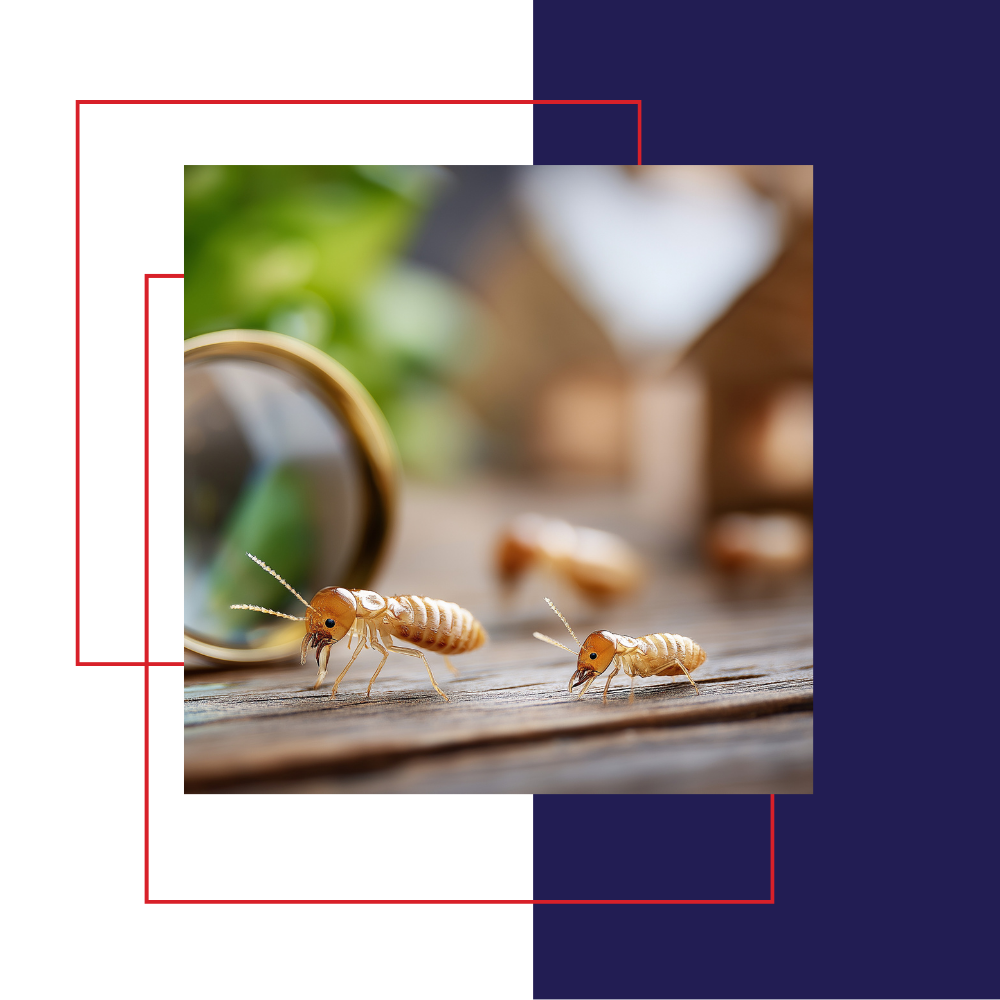
Termite Exterminator
Termite activity can unfold quietly, with the destructive invaders moving through soil and sneaking into structures through unknown gaps in the frame, holes in building materials, or tiny cracks that most people naturally overlook. These insects thrive in hidden spaces where moisture and wood meet, creating conditions that allow colonies to grow with surprising speed. Once they gain access to a structure, they may feed on beams, flooring, or trim long before anything seems unusual on the surface. Our professionals study these patterns closely because recognizing how termites operate is the foundation of any effective strategy to stop them.
Colonies often establish themselves in spots where wood remains damp, whether from slow leaks, ground contact, or humidity that collects in enclosed areas. Their tunnels help them travel while staying concealed, so the signs that something is off might feel easy to miss. Hollow-sounding boards, thinning paint, pinpoints of debris, or faint lines that resemble streaks of dirt may hint at deeper issues. Our team approaches these situations methodically, examining each clue to piece together a picture of what’s occurring within the structure. By understanding not only where termites are but also how they’re moving, we can form a precise plan that limits disruption to the property while targeting the root of the problem.
Our Strategies For Handling Active Infestations
When an infestation becomes apparent, swift and targeted treatment matters. The goal isn’t simply to eliminate visible termites but to disrupt the colony’s momentum and reduce the chance that replenishing members continue causing damage. Our team focuses on identifying the exact locations where activity is most intense, then applying methods suited to those conditions. Some jobs require concentrated applications that reach galleries inside wood. Others call for soil-based treatments that create protective zones around the foundation. In many cases, an integrated method proves the most effective because termites often travel through several pathways at once.
During active treatment, our professionals pay close attention to structural layout, soil composition, moisture levels, and access points that may not be obvious at first glance. Buildings develop quirks over time, and termites tend to find the weak spots. By considering these factors together, we can create an action plan designed to match the property’s unique challenges. Some clients worry that the process might be disruptive or complicated, but we work to make the process as smooth as possible while keeping the primary focus on eliminating the insects responsible for the damage. Once treatment is applied, we continue monitoring to confirm that activity declines and the colony is no longer advancing.
Value Of Pre-Treatments And Post-Treatments
Construction projects provide an opportunity to stop termite activity before it starts. Pre-treatments allow protective measures to be built into the structure from the beginning, helping create a barrier that discourages colonies from moving in as the building matures. When builders or property owners schedule these steps early, they support the long-term condition of the structure by reducing entry points and limiting the appeal of the environment for termite exploration. Our team coordinates with project timelines so that our operations occur when they will be most effective, rather than becoming a reactionary afterthought.
Post-treatments serve a different but equally important purpose. As buildings age, subtle changes take place around foundations, plumbing, and support beams. Soil settles, moisture shifts from season to season, and landscaping alterations can change how termites approach a structure. Post-treatments respond to those changes as they develop. They reinforce protection and address vulnerabilities that may not have appeared since construction. By examining changes in the property’s surroundings, we adapt treatment approaches to current conditions rather than relying on outdated assumptions. Many property owners choose to combine post-treatments with periodic evaluations so potential issues are found before they escalate.
Professional Inspections For Real Estate
Real estate transactions often move quickly, and buyers or sellers want clarity about the condition of a property before final decisions are made. A professional inspection offers that clarity by assessing whether termite activity is present or if conditions suggest that activity could develop without intervention. These inspections involve a careful review of accessible areas, both inside and outside the structure. Our inspectors look for patterns in the wood, irregularities in soil contact, moisture concerns, and indications that subterranean movement may be underway.
Because real estate decisions involve significant commitments, clients benefit from straightforward explanations about what we find and what those findings mean. Some inspections reveal no active concerns but uncover environmental conditions that warrant attention. Others show clear signs of movement, prompting recommendations for treatment before a sale proceeds. Whatever the outcome, the purpose of the inspection is to provide usable information rooted in observation rather than speculation. With this understanding, buyers and sellers can negotiate confidently and set realistic expectations for any corrective steps that may be needed.
Termite control demands attention to detail, adaptability, and a deep understanding of how these insects behave. Our team at Texas Pest Elimination approaches each property with that mindset, using a combination of treatments, inspections, and preventative measures to protect structures from ongoing damage. If you have concerns about activity, need an inspection for a real estate transaction, or want to strengthen your property with preventative options, contact us to discuss your situation and schedule services or request further information.
Frequently Asked Questions About Termites
Q1. How Do Termites Typically Go Undetected For So Long?
A1. These insects often thrive in places most people rarely examine, such as soil pockets beneath foundations, narrow gaps around plumbing, or wood that retains moisture. Their movements stay hidden inside tunnels they construct, allowing them to feed quietly without drawing attention. By the time small clues appear, colonies may already be well established, which is why early evaluations can make such a difference.
Q2. What Happens During A Professional Termite Inspection For A Property Sale?
A2. An inspector reviews accessible areas of the structure, looking for subtle markings, wood irregularities, moisture patterns, and soil conditions that might encourage termite activity. The goal is to identify signs of movement or any potential risk factors that could influence the transaction. The final report helps buyers and sellers understand whether treatment is needed and what, if any, preventative steps should be considered before closing.
Q3. Why Are Pre-Treatments And Post-Treatments Both Important For Long-Term Protection?
A3. Pre-treatments support new construction by creating protective layers before the structure is fully built, helping discourage insects from entering as the property takes shape. Post-treatments, on the other hand, respond to changes that have develop over the years, such as shifting soil, increased humidity, or aging lumber. Using both approaches at the right moments strengthens long-term resistance against intrusion.