Snake Removal And Control
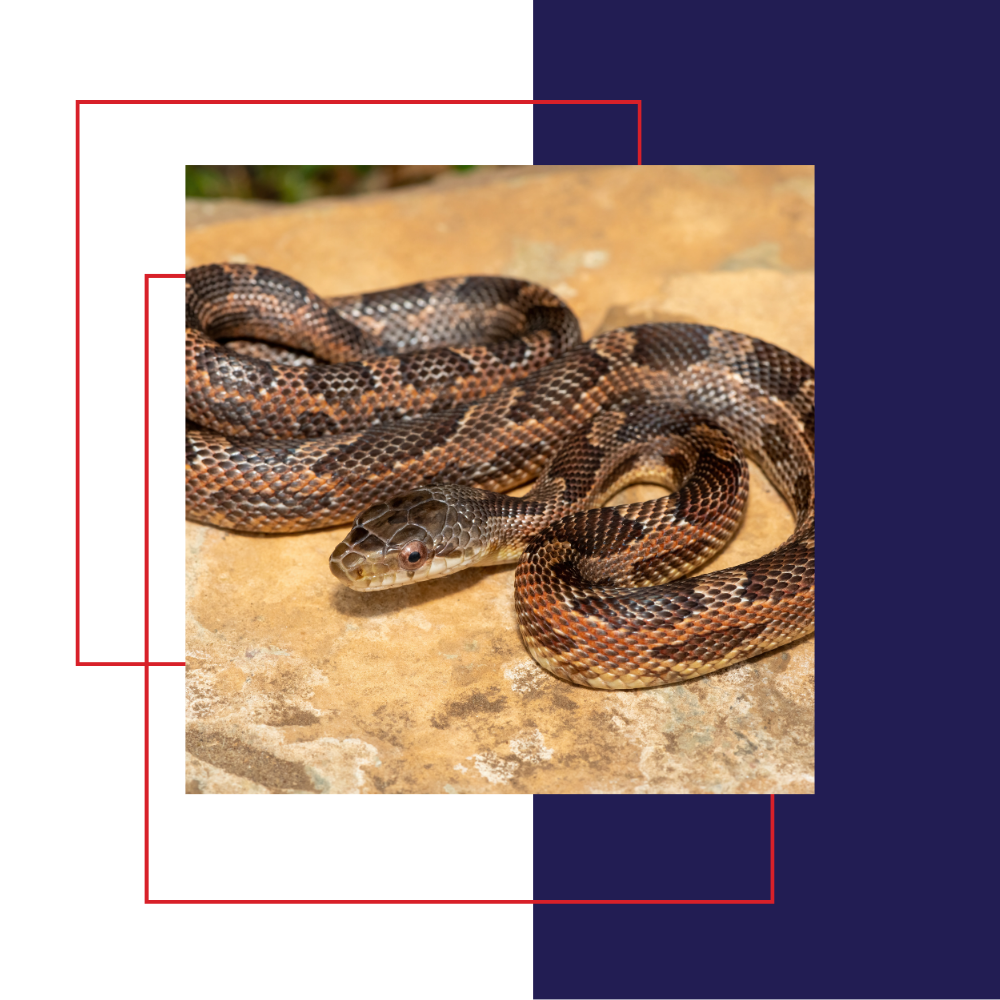
Properties across Texas see regular activity from species such as the Texas rat, western ribbon, blotched and diamondback water, Texas brown, and other common ground snakes that settle into yards when conditions appeal to them. A snake slipping beneath patio items or skimming through tall grass catches people off guard because these creatures move quietly and hide efficiently. Their presence around structures creates unease, especially when someone discovers one near storage areas or close to outdoor entrances.
Our team studies how a snake behaves in the environment surrounding a building, because most individuals misunderstand what motivates these creatures. They wander in search of shelter, cooler ground, prey, or a shaded retreat, and they often pass through unnoticed before settling. When we examine a property, we look at vegetation density, cluttered materials, moisture pockets, soil gaps, and potential food sources that might draw these slithering invaders closer than expected.
Since each species follows different habits, our professionals evaluate movement markers and habitat clues to determine whether a species is present and why it chose that location. A ground-oriented snake travels differently from a water-inclined one, and knowing those tendencies helps shape precise strategies. Our work focuses on identifying conditions that encouraged the intrusion so the property owner gains long-term control rather than dealing with repeated surprises.
Inspection Methods For Effective Solutions
A careful inspection forms the core of our approach. Our team evaluates building edges, crawl points, vegetation thickness, and shaded sections where a snake might rest. Small transitions such as soil depressions, loose boards, and foundation creases become ideal travel routes for various species. We examine how temperature shifts affect activity because many reptiles adjust their patterns based on sunlight, humidity, and nearby water sources.
During this stage, we track the entire path rather than focusing only on the final spot where the creature appeared. A Texas rat snake might descend from tree limbs hanging near a roofline, while a species that prefers damp areas may slip through gaps created by drainage or irrigation. Tracing these routes reveals how the situation developed and where adjustments can interrupt access.
We also investigate environmental attractants that influence movement. Rodents, insects, small frogs, and standing water often bring invasive creatures toward structures indirectly. When these attractants cluster near a building, the animal simply follows the opportunity. Our team explains these connections so property owners see how each factor contributes to the issue. After reviewing all findings, we form a tailored plan that fits the property instead of relying on general assumptions that may overlook important details.
Removal Services Centered On Behavior And Environment
When handling an intrusion, we adjust our process based on species identification, surroundings, and the observed behavior of the snake. A water-oriented reptile may linger near shaded transitions, while a ground-focused species hides beneath low structures or moves along fencing edges. Our professionals consider these patterns when shaping the removal process to ensure every step remains controlled and deliberate.
Because reactions to encounters with these animals can be strong, we communicate clearly during service when appropriate, describing what we observe so the experience feels less unpredictable. Each action taken by our team is guided by the conditions present on that specific property, not a preset routine.
Once we remove the animal from the immediate area, our attention shifts to preventing another occurrence. If we notice vegetation buildup, small openings, stacked materials, moisture pockets, or other features that encourage a snake to remain near structures, we explain how adjustments can reduce ongoing activity. These recommendations emerge directly from the inspection rather than broad general advice, giving property owners a plan rooted in their actual environment.
Long-Term Prevention And Property Adaptation
Prevention becomes more effective when it matches seasonal patterns and regional conditions. Shifts in rainfall, temperature, and prey movement influence how a snake travels across Texas landscapes. Our team weighs these elements while forming a customized prevention strategy. Sealing small openings, refining landscaping, clarifying storage organization, improving drainage, and reducing attractants can each lower the chances of repeated encounters.
We guide property owners through how small changes influence reptile behavior. Shorter grass limits hiding spots, while repositioned yard items remove convenient cover. If exterior lighting attracts insects, it might unintentionally draw prey near the home, which then encourages a snake to follow. When ponds, shaded patios, or other features create appealing resting spots, we recommend modifications that shift activity away from areas frequented by people.
The goal is to establish a more predictable environment that discourages future movement toward buildings. Every suggestion we provide connects back to what we observed during inspection and removal, creating a cohesive strategy that suits the unique layout of the property. Over time, these adjustments help reduce stress and minimize unexpected sightings.
Our team relies on accurate identification, thorough inspection, responsive removal, and thoughtful prevention to manage each snake intrusion with care and precision. If you’re experiencing unwanted reptile activity or want to take measures to prevent future issues, don't hesitate to contact us today at Texas Pest Elimination to request a consultation or to ask for more information.
Frequently Asked Questions About Snakes
Q1. Why Do Snakes Choose Certain Properties Over Others?
A1. Many factors influence whether a snake settles near a building, and each one ties back to comfort, cover, and available food sources. Thick vegetation, cluttered storage areas, shaded corners, and moisture pockets create conditions that appeal to different species. If rodents or insects are thriving nearby, that activity can quietly pull predators like these closer to your property. A property with fewer hiding spots and reduced prey activity tends to attract far less movement, which is why targeted adjustments make such a meaningful difference.
Q2. Why Is Getting Professional Assistance A Better Idea Than Handling It Alone?
A2. Our trained specialists understand how various species behave, which helps with judging movement patterns, identifying resting areas, and managing the situation without taking unnecessary risks. An untrained person acting by themselves might misread the animal’s behavior or overlook conditions that caused the intrusion in the first place. Professional services involve controlled handling, detailed inspection, and follow-up recommendations that reduce the likelihood of repeated encounters. That combination creates a clearer path toward long-term relief.
Q3. What Preventive Steps Lower The Chance Of Another Snake Encounter?
A3. Effective prevention begins with shaping the environment so reptiles find fewer reasons to settle near structures. Shorter grass, trimmed vegetation, cleared debris, and well-managed storage reduce hiding spots. Eliminating food sources by limiting rodent and insect activity helps discourage movement as well. When these efforts match the layout of the property, snakes tend to pass by instead of lingering, giving property owners a more predictable and comfortable outdoor space.