
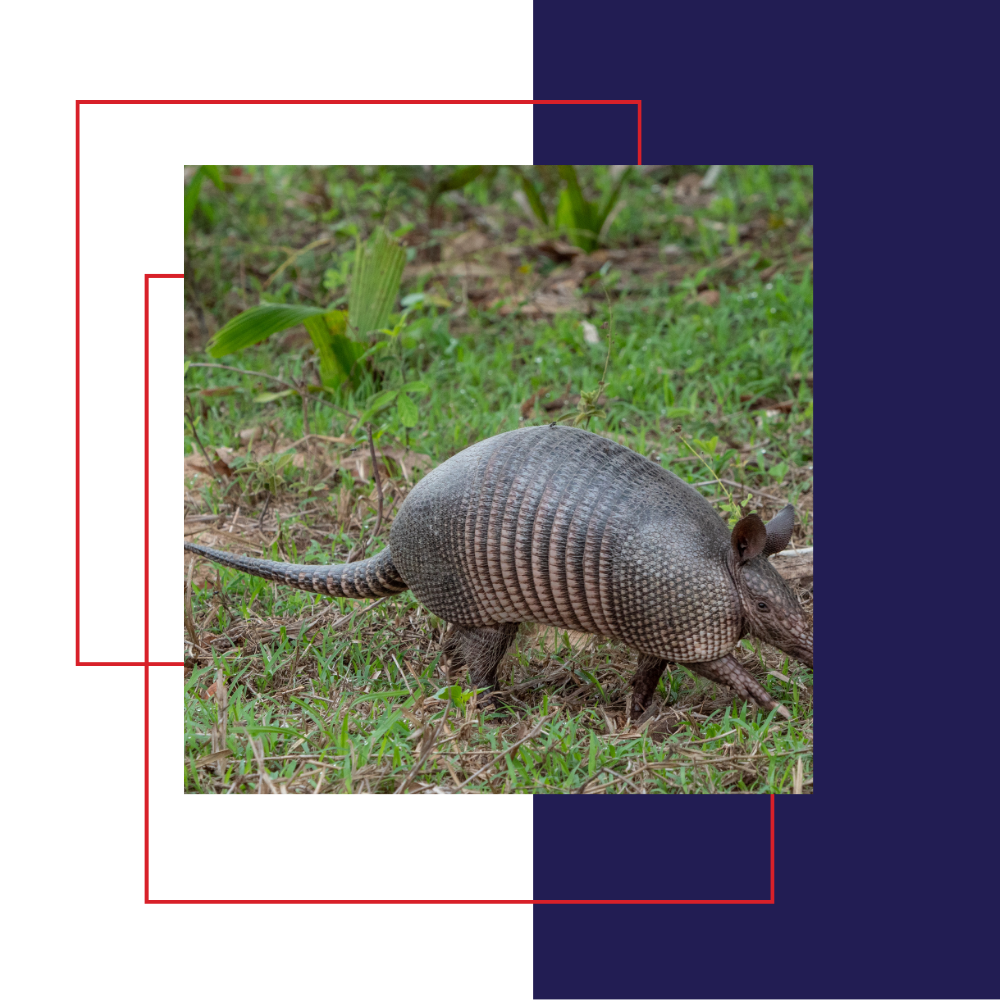
Armadillo Removal And Control
Armadillos tend to look quirky and calm from a distance, yet the problems they create when they get close to residential and commercial properties can catch people by surprise. Their habits come from a natural drive to dig for insects, larvae, and water in soil, which often puts lawns, gardens, and landscaped spaces at risk. In many parts of Texas, the presence of these animals has grown more noticeable, especially in neighborhoods where irrigation systems, loose soil, and consistent ground cover make perfect foraging spots. When they begin carving through turf at night or burrowing under structures, the disruptions move from mildly frustrating to genuinely costly.
Our team studies how these animals move, feed, and tunnel, because every situation that involves them shows different signs. While some yards develop shallow pits that spread across large areas, others wind up with a single deep burrow tucked against a foundation or porch. That burrow can create weak spots in soil, and the constant digging can push dirt outward in ways that surprise property owners waking up the next morning. We’ve seen situations where a homeowner believed the problem was a single animal, only to learn that several visitors had been using the same property as a feeding ground. Understanding these patterns gives us a more precise starting point before any removal work begins.
Behavior shifts with season, rainfall, and food supply. During dry periods, armadillos turn lawns and gardens into hunting grounds for moisture-rich insects. When soil softens after rain, their digging tends to intensify. By paying attention to these triggers, our professionals can predict likely activity zones and determine the most effective strategy to interrupt the pattern before lasting damage sets in.
Recognizing The Damages They Cause
The root of most frustration tied to armadillos comes from how quickly their activity spreads. A single night of foraging may scatter dozens of small holes across a yard. The damage doesn’t always appear destructive at first glance, but the cumulative effect weakens soil structure and disrupts grass growth. Decorative beds, vegetable gardens, or newly planted trees can be uprooted or pushed aside without the animal even intending harm.
Burrows create the more serious concerns. Tunneling often begins under shrubs or along edges where soil is soft, but it can extend farther than expected. In certain cases, gaps form beneath patios or walkways. We’ve visited properties where a seemingly minor tunnel eventually caused uneven ground above it. That kind of shifting leads to tripping hazards and expensive repairs, especially around features like irrigation lines or drainage systems.
Another overlooked issue involves the openings created by repeated digging. These patches of disturbed soil become attractive to other wildlife and insects, which compounds the original problem. When our team examines a property, we look for these secondary effects, because identifying them early helps us develop a solution that stops further disruption instead of temporarily masking the symptoms.
Our Process For Armadillo Removal
Our approach begins with a close inspection, because an effective remedy depends on learning why the animal is choosing a particular space. We study soil moisture, shade patterns, nearby food sources, and any structural features that might encourage tunneling. Identifying these details helps us determine where activity is heaviest and how the animal is navigating the area.
Once we understand the conditions, we implement removal procedures tailored to the property’s structure and layout. The tools and methods we use focus on guiding the animal out of the environment without adding unnecessary disturbance. Every site has different challenges. Some properties require patient tracking of movement paths, while others demand quick action around a newly established burrow. Through methodical work and careful timing, we interrupt the cycle that brought the armadillo onto the property and prevent continued digging.
After removal, we talk with property owners about reducing the likelihood of return visits. This might involve adjusting watering schedules, managing ground cover, or improving soil compaction in certain zones. These recommendations support long-term relief and keep the landscape from drawing new animals in the future. The work we do aims to protect lawns, foundations, and gardens so they stay as stable and attractive as possible.
Why Swift Action Is Important
Armadillo control goes beyond repairing holes in the soil. The damage they create can affect structural components of a home, such as porches, steps, and retaining walls. Even small disruptions in the soil surrounding these areas can worsen over time. Addressing the issue promptly helps reduce the risk of those complications taking hold.
We also consider how property use changes when these animals start showing up. Families may worry about pets encountering an armadillo, or they may feel uncomfortable spending time outside when new holes appear each morning. By clearing the property and eliminating the digging activity, we restore a sense of normalcy for homeowners and businesses.
At Texas Pest Elimination, our professionals manage armadillo issues with close attention to the conditions that brought the animals onto a property and with strategies built around long-term stability. If you’ve noticed digging, burrows, or unexplained damage, don't hesitate to contact us today so our team can assess the activity, explain your options, and provide services tailored to your needs.
Frequently Asked Questions About Armadillos
Q1. What Signs Suggest That An Armadillo Is Actively Digging On My Property?
A1. Just a few of the signs that can be seen are fresh soil pushed that’s been inexplicably pushed into small mounds, clusters of shallow pits that seem to appear overnight, and a newly formed tunnel entrance near a porch or flower bed are strong indicators of ongoing activity. You might also notice uneven ground in areas that were previously stable. These animals tend to follow consistent paths when searching for food, so repeated disturbances in the same zones often point to their presence.
Q2. How Do Professionals Determine The Best Method For Removing An Armadillo?
A2. The process starts with identifying what draws the animal to the area, such as soil moisture, insect activity, or shelter created by landscaping features. After observing these factors, professionals study movement patterns and pinpoint locations where the animal enters and exits. This evaluation helps them choose an approach that works with the property’s layout and reduces the chance of repeated tunneling.
Q3. Why Should Armadillo Problems Be Addressed So Quickly?
A3. Digging may begin with a few small holes, but the disturbance can grow quickly and affect lawns, gardens, and areas close to structural features. Burrows can weaken soil and lead to issues that cost far more to correct later. Handling the situation early protects the landscape and keeps the digging from spreading into spots that are harder to repair.