
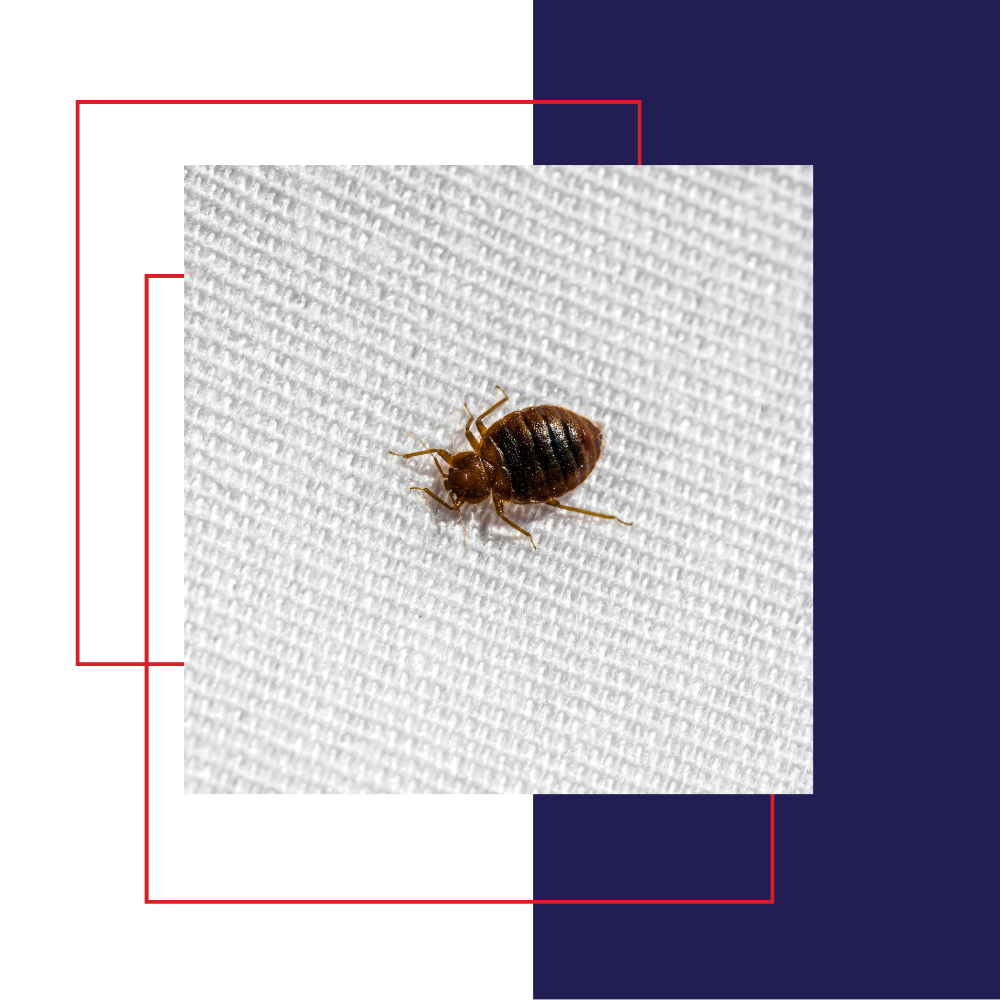
Bed Bug Exterminator
A bed bug problem unsettles people quickly because these insects move quietly, hide with remarkable skill, and leave only faint signs of their presence in the early stages of an infestation. Our team studies how they behave once they’ve made their way into a home so that we can respond with precision. These insects slip into mattress seams, small cracks, and tight joints in furniture, and their ability to stay hidden makes early identification feel tricky for property owners. When conditions give them warmth and undisturbed shelter, they settle in and begin spreading through nearby rooms.
Bed bugs create problems that go far beyond simple inconvenience. Many clients describe spending long nights searching for the source of their irritation without finding any obvious cause. These insects feed briefly and then retreat into crevices, leaving people unsure about what they’re dealing with. Because of that pattern, we approach each situation by tracing subtle clues. Marks on fabrics, changes in movement patterns around resting areas, and small clusters found in hidden corners all help us piece together what’s happening behind the scenes.
Left unattended, a few bed bugs can quickly expand into a much larger population. When that happens, people sometimes try home remedies that only affect surface-level activity. Those unsuccessful partial attempts often cause the insects to scatter deeper into walls, the frames of furniture, and flooring gaps, ultimately making the situation worse. Our professionals learn a lot from these responses because they reveal which areas may now be housing secondary clusters. As we examine a structure, we look not only for active spots but for the pathways the unwanted pests may try to take when disturbed. That attention helps guide a strategy that addresses both present activity and potential spreading zones.
Inspection And Detection Strategies
Thorough inspection shapes every effective removal plan. We begin with the areas where people rest, since those spaces attract bed bugs through warmth and human presence. Mattress folds, headboards, couches, recliners, carpet edges, and wooden joints receive close examination. Our professionals use tools that allow us to detect activity in narrow seams and shadowed spaces, since these pests, in particular, often hide in places smaller than a grain of rice.
The insects also use surprising hiding locations that many property owners wouldn’t think to check. Electrical outlets, curtain hems, drawer slides, picture frame gaps, and loose wallpaper can all serve as hiding spots. We focus on how the bed bugs might move between these locations, especially in structures with multiple rooms connected through shared walls or ventilation spaces. That movement pattern helps us determine the reach of the infestation, whether it remains limited to one area or has begun expanding outward.
Every detail from the inspection contributes to a clear picture of the overall situation. Shed skins, tiny dark flecks, faint odors, or activity detected along baseboards are all indicators of the presence of bed bugs. Once the evidence is gathered, we identify which rooms require the most intensive attention and which rooms are still in the early stages of an infestation. A complete understanding of the environment leads to a more effective approach during the treatment stage.
Proven Techniques For Long-Lasting Relief
Our treatment methods aim for depth, precision, and consistency. Different structures require different combinations of strategies, and we adjust our plan based on everything learned during inspection. Heat applications often work well for reaching bed bugs that may be nestled deep inside furniture or tight crevices. Targeted chemical treatments serve areas with repeated movement or long-term sheltering indicators. Detailed vacuuming removes accessible clusters and helps expose additional signs of activity.
We frequently encounter situations where bed bugs retreat into new hiding places once treatment begins. Their instinct to shift locations demands constant observation. As we work, we monitor frames, seams, edges, and joints that looked quiet earlier in the process. Adjusting in real time helps disrupt their ability to regroup. By layering methods in a deliberate order, we reinforce the effectiveness of each step and reduce the chance of surviving pockets remaining unnoticed.
Our professionals treat each environment as a unique situation rather than applying a generic routine. Structural design, clutter levels, furniture types, and the age of an infestation all influence the treatment sequence. This approach helps produce long-lasting relief instead of short-term improvement.
Prevention And Ongoing Monitoring
Once treatment concludes, prevention plays an important part in discouraging new introductions. We guide clients toward straightforward habits that make a meaningful difference. Keeping areas near beds and seating clear of stacked belongings reduces harborage opportunities. Examining secondhand furniture before bringing it inside helps prevent unexpected surprises. Monitoring resting areas for unusual marks or faint clusters provides an early warning signal if anything changes.
When needed, we offer follow-up inspections or place monitoring devices in strategic spots. These tools help confirm that treatment succeeded and that no hidden groups remain. Ongoing oversight builds confidence for clients who want reassurance after dealing with an infestation. For many people, simply knowing that professionals are verifying the long-term outcome brings a sense of comfort and stability.
Bed bug issues cause stress because they interrupt everyday living and create uncertainty about what might be happening out of sight. Prevention habits combined with periodic monitoring greatly reduce that stress and support a healthier, more predictable environment moving forward.
Bed bug activity disrupts routines, affects rest, and creates frustration for anyone facing an infestation. Our professionals work with careful inspection, strategic treatment, and practical prevention guidance to restore comfort and control. If you’re noticing signs of these insects and need expert support before the situation develops further, contact us at Texas Pest Elimination today to schedule service or ask questions you may have about what we can do for you.
Frequently Asked Questions About Bed Bugs
Q1. How Long Does It Take To Notice Bed Bug Activity After They Enter A Home?
A1. Many people do not realize anything has changed for several days because early activity tends to be subtle. The insects often stay hidden during the day and feed briefly at night, which means the first indicators might be faint marks on bedding, tiny specks near seams, or unusual itching that seems to appear without a clear cause. The timeline varies based on how many insects entered the space and where they settled, but most clients begin noticing signs once the insects establish a consistent sheltering pattern. Paying attention to shifts in comfort during sleep or spotting small clusters near furniture joints can help reveal their presence sooner.
Q2. What Makes Professional Removal More Effective Than Products From The Store?
A2. Many over the counter solutions only reach the outer surfaces of furniture and fabrics. Bed bugs often hide deep inside cracks, folds, and joints that these products cannot fully penetrate. Professionals examine the full layout of the affected area, identify patterns of movement, and treat the problem with targeted methods designed to reach concealed locations. This layered approach addresses both visible activity and hidden groups, improving the likelihood of long-term relief and reducing the chances of insects moving to different parts of the structure.
Q3. Can Bed Bugs Return After A Successful Treatment?
A3. They can return if they are introduced again from another location, which sometimes happens through luggage, secondhand furniture, or frequent travel. Treatment removes the existing population, but prevention habits help reduce the chances of a new introduction. Inspecting recently acquired furniture, keeping resting areas free of clutter, and staying attentive to early signs helps maintain a comfortable environment. Follow-up monitoring also provides reassurance by confirming that no reinfestation has occurred.