Centipede Exterminator
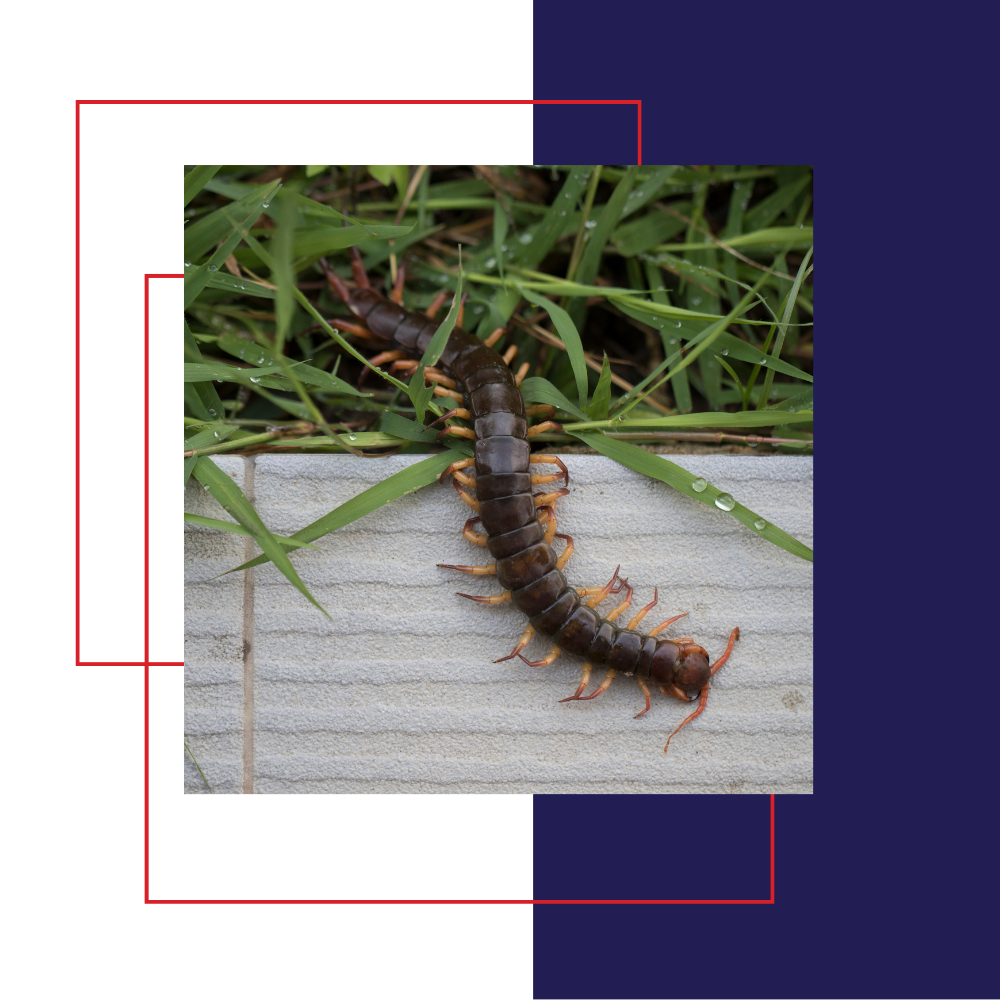
Centipedes are one of those pests that trigger an immediate reaction the moment they’re spotted. Their long, segmented bodies and fast, darting movements can be unsettling, especially when they suddenly appear in the hidden corners of bathrooms, basements, kitchens, or laundry areas. These arthropods thrive in Texas because the local climate often provides plenty of warmth and moisture, which are two things these creepy-crawlers need to survive. While they prefer outdoor environments due to the availability of soil, mulch, and leaf litter, indoor spaces can become attractive when conditions align in their favor.
Most species encountered inside homes are house centipedes, known for their elongated legs and surprising speed. They’re nocturnal hunters that feed on insects such as spiders, roaches, and silverfish. That behavior means their presence often signals the presence of other pests nearby. Although they typically avoid people, sudden encounters can feel alarming, especially when one scurries across a wall or floor without warning. Managing them requires more than reacting to the occasional sighting. It means understanding why they’ve entered the structure and what allows them to remain there.
Why These Pests Invade Indoor Spaces
Centipedes don’t wander indoors at random. They’re drawn by specific environmental factors that many properties unknowingly provide. Moisture is the biggest driver. Areas with dampness, condensation, or plumbing leaks offer ideal conditions for survival. Bathrooms with poor ventilation, crawl spaces with high humidity, and basements with limited airflow often become hotspots for mold growth. Poor drainage near foundations can further extend damp conditions indoors.
Food availability plays an equally important role. Because these creatures prey on other insects, homes with ongoing infestation issues create a steady food source. Even if those secondary pests remain unseen, centipedes can detect them through scent and movement. Cracks in foundations, gaps around doors, and utility entry points give easy access inside, especially during heavy rains or seasonal temperature shifts that push them out of their natural habitats.
Lighting can also influence activity. Outdoor lights attract insects at night, which in turn attract predators that feed on them. Over time, this chain reaction can encourage movement closer to the structure. Addressing centipede problems means addressing these contributing factors together, not treating them as isolated nuisances tied to a single source.
Health Concerns And Property Impact
Centipedes rarely cause direct harm, but their presence raises valid concerns for homeowners. Some species can bite if handled or threatened, and while reactions are typically mild, discomfort and irritation can occur. For households with children or pets, even a low risk can feel unacceptable.
Beyond physical effects, these pests impact peace of mind. Seeing them repeatedly can create stress and frustration, especially when sightings happen in sleeping areas or frequently used rooms. Their appearance often leads people to believe the home is unclean, even though moisture and hidden insect activity are usually the real culprits.
From a structural perspective, centipedes themselves don’t damage property. However, the conditions that support them can contribute to other issues. Persistent moisture can affect building materials, and the insects they feed on may cause their own problems. Addressing centipede activity helps reduce a broader web of pest and environmental concerns that can quietly grow over time.
Our Tried-And-True Approach
Effective centipede control requires a focused, informed approach. Spraying visible individuals rarely delivers lasting results. Our services concentrate on identifying why these pests are present and what allows them to persist. That process includes evaluating moisture sources, inspecting entry points, and assessing signs of other insect populations that may be sustaining them. Drainage patterns, plumbing penetrations, and poorly sealed expansion joints are also reviewed since these features often influence indoor movement.
Treatment strategies are designed to reduce conducive conditions while targeting active areas where centipedes travel and hide. This can involve moisture management recommendations, sealing access points, and applying targeted treatments in cracks, crevices, and damp zones. Attention is also given to transition areas where exterior environments meet interior spaces, as these zones frequently support activity. The goal is to interrupt their environment, not just eliminate what’s visible.
Long-term control also depends on timing and placement. Centipedes spend much of their time in concealed areas such as wall voids, beneath flooring edges, and within foundation gaps. Proper treatment accounts for these behaviors, focusing on pathways rather than open surfaces alone. Crawl spaces and utility chases are often key contributors. When combined with environmental adjustments, this approach helps reduce recurring sightings and limits the conditions that allow populations to rebuild.
We approach each property individually because no two structures have identical conditions. Seasonal changes, building design, and surrounding landscapes all influence activity levels. Ongoing monitoring and adjustments help maintain control over time, especially in Texas, where weather patterns can shift rapidly and affect indoor pest behavior.
While these insects often stay quiet and hidden, spotting these fast-moving intruders in your home usually points to bigger problems that require immediate attention. Addressing them early helps restore comfort and reduces the likelihood of other pests becoming established indoors. Our professionals focus on thorough evaluation and practical solutions that fit the property and the environment. If insect activity has become a problem on your property, don't hesitate to contact us today at Texas Pest Elimination to learn more about how our services can help protect your space with effective, knowledgeable care.
Frequently Asked Questions About Centipedes
Q1. Why Do Centipedes Keep Appearing Even After I Remove Moisture Sources?
A1. Reducing moisture is important, but it does not eliminate every factor that attracts centipedes. These pests often remain active because hidden insect populations are still present inside wall voids, beneath flooring edges, or near foundation gaps. These bugs can survive for long periods by hunting these insects, even when humidity levels improve. Professional service looks beyond surface conditions to identify concealed food sources and travel paths that allow continued activity.
Q2. Are Centipedes A Sign Of A Larger Pest Issue Inside The Structure?
A2. In many cases, yes. Because they feed other insects, repeated sightings often indicate that additional pests are established nearby, even if they are not easily seen. Their presence can act as an early warning that spiders, roaches, or similar insects are active within the structure. Addressing an infestation through targeted methods helps disrupt this process and reduces the chance of multiple pest problems developing at the same time.
Q3. Why Do Centipede Problems Seem To Return Seasonally?
A3. Seasonal changes influence insect movement and behavior. Heavy rainfall, cooler temperatures, or extended heat can drive them indoors as outdoor conditions shift. Structures that already offer shelter, moisture, or entry points become convenient refuge zones. Professional centipede service accounts for these seasonal patterns by focusing on preventative measures that limit reentry and reduce favorable conditions before activity spikes again.