Food Safety Audits
Food storage sites carry a lot of responsibility. Product can sit for days or weeks after coming in from different suppliers, moving through docks, and often sharing space with pallets, packaging, and moisture sources that pests love. Audits exist to confirm that the facility is controlling risk, documenting controls, and responding to issues in a consistent way. That includes showing a clear plan for preventing insects and rodents from getting anywhere near any product or packaging.
A Food Safety Audit takes a close, practical look at how a facility manages pest risk in real life, not just on paper. It compares what inspectors want to see with what’s actually happening on the floor: monitoring devices placed correctly, records that match service schedules, and corrective actions that don’t linger half-finished. We support internal reviews as well as second-party and third-party inspections, which means helping sites stay prepared for quality checks, customer expectations, and certification testing without scrambling.
Comprehensive Reports That Hold Up Under Scrutiny
Audit support works best when it’s treated as a routine part of operations, not a one-time push before an inspection. Storage conditions shift with seasons, shipping patterns, staffing changes, and building wear, so a well-prepared program requires consistent review and adjustment. The goal is operational consistency that an auditor can quickly verify. There should be a clear monitoring plan, well-maintained devices, accurate recordkeeping, and thorough, properly documented corrective actions when necessary.
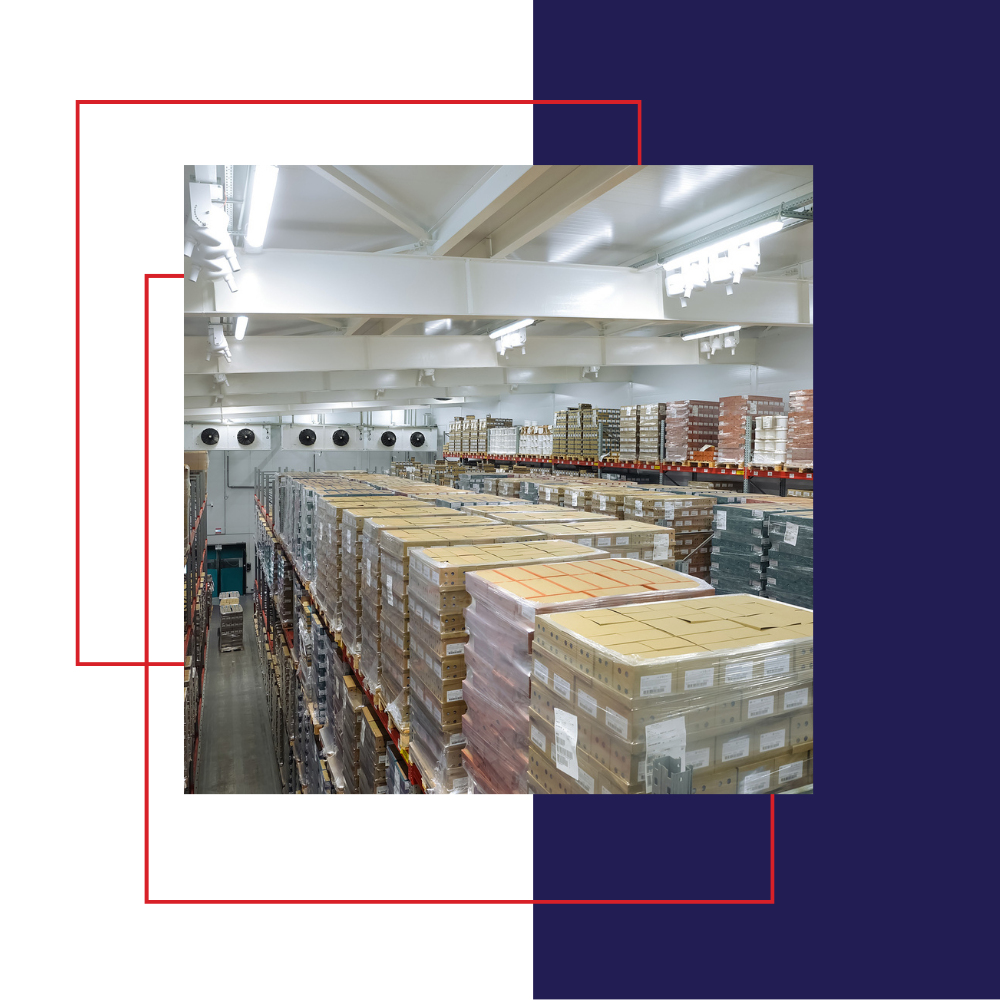
This service is commonly used in warehouses, cold storage operations, distribution centers, food manufacturing environments, packaging facilities, and any site managing large volumes of food or food-contact materials. Many of these operations have strict customer requirements or certification frameworks that demand documented monitoring, trend reporting, and proof of follow-up. A Food Storage Audit supports those expectations by tightening the link between what’s being done and what’s being recorded.
Internal audit support is a key piece of that process. Internal reviews tend to reveal weak spots early, before an outside inspector finds them. During internal prep, documentation gets reviewed for gaps, device maps are checked for accuracy, and conditions are evaluated through an “auditor’s lens.” That includes looking at current operating practices, dock doors, product staging, exterior pressure points, and sanitation routines that can affect pest activity.
Documentation, Traceability, And Trend Analysis
Auditors care about proof. It’s not enough to say monitoring is happening. They want evidence that devices are being checked as scheduled, findings are reviewed, and actions are taken when needed. That’s why documentation and traceability are central to Food Storage Audits. Good records reduce confusion, support accountability, and make it easier to respond to specific questions without digging through stacks of paperwork.
Barcode-scanned equipment verification is one method that strengthens documentation. When devices and stations are scanned during service, each scan creates a time-stamped record that confirms the work occurred at the right place and time. It helps validate routine inspections and provides a clear history when questions come up regarding service frequency, device condition, or prior activity. That traceability matters, especially in large facilities where hundreds of monitoring devices may be in use.
Trend analysis builds on those records and turns them into something more useful than a collection of numbers. Instead of reacting to isolated findings, trend reporting shows patterns over time. It can highlight recurring activity in certain areas or vulnerabilities that haven’t been noticed. When a site can show that it tracks trends and adjusts prevention measures based on those trends, it demonstrates control, not just reaction, which auditors tend to respond to well.
Risk assessments take this one step further by identifying vulnerabilities before they turn into findings. A Food Storage Audit examines building integrity, door performance, penetrations, drainage, product rotation, pallet storage practices, waste handling, and exterior conditions that may create pest pressure. The goal is a site-specific picture of risk, because standard expectations increasingly favor programs that are tailored and risk-based. A risk assessment helps prioritize improvements, so teams can focus on the fixes that reduce risk the most, rather than chasing minor issues that don’t move the needle.
Corrective Actions, Certification Readiness, And On-Site Support
Most negative findings are preventable, and many start as small oversights that build over time. Worn door sweeps, unsealed wall gaps, stacked clutter in storage corners, and moisture buildup near drains can all create opportunities for pest activity. Structural and sanitation corrective action recommendations address these types of issues directly, with a focus on practical steps that fit real operations. The key is not only identifying the problem, but documenting it clearly, assigning responsibility, and recording follow-up actions so the issue is truly closed.
Certification readiness is another major reason facilities invest in Food Storage Audits. Standards such as SQF, GFSI-aligned programs, BRC, and FSSC 22000 have detailed expectations for pest management documentation, monitoring plans, site maps, device placement, service records, and corrective action evidence. Pre-audit reviews can help identify gaps early, which gives teams time to correct issues and tighten documentation before the inspection date. That reduces stress for quality and operations leaders, because they can walk into audit day knowing the program is aligned with the standard and supported with clean records.
Second-party and third-party reports bring different pressures. Customer audits often focus on supplier expectations and the customer’s specific risk concerns. Third-party certification reporting follows a structured checklist with detailed requirements and scoring. During these audits, pest management support can include providing audit-ready documentation, clarifying technical details, and participating on-site when needed.
Training and education play a big role in how well a facility performs in audits. Even a strong program can fall short if employees don’t understand what practices are expected and why they matter. It also reinforces that pest prevention is part of a set of broader food safety expectations, not a separate task that only happens during scheduled service.
Food storage audits rarely earn their marks in the audit room. They’re earned in the months leading up to it, through verified monitoring, accurate records, smart corrective actions, and a program that keeps improving. A Food Storage Audit supports internal reviews, customer expectations, and certification requirements by strengthening documentation, tracking trends, and identifying vulnerabilities before they become findings. If you want a program that stands up to scrutiny and keeps your facility ready year-round, contact us today at Texas Pest Elimination to discuss how we can support your operation and help you stay prepared with confidence.
Frequently Asked Questions About Food Storage Audits
Q1. What Makes A Food Storage Audit Different From A Routine Pest Service Visit?
A1. A routine visit focuses on scheduled inspections and device checks, but an audit-focused review goes deeper. It looks at how well your documentation tells the story of control, whether corrective actions are actually being closed out, and if the whole program matches what auditors and customers expect to see on paper and on the floor.
Q2. How Far In Advance Should A Facility Start Preparing For An Audit?
A2. Ideally, preparation starts weeks ahead, not days. That gives time to confirm device maps, clean up service records, address building or sanitation issues, and make sure staff are following prevention practices consistently. The earlier you start, the less likely you are to rely on last-minute fixes that can look rushed.
Q3. Can A Food Storage Audit Help Even If An Establishment Has Never Had A Pest Finding Before?
A3. Yes, and that’s often when it’s most useful. A strong audit review can spot vulnerabilities that haven’t triggered activity yet, like dock door gaps, storage practices that create harborage, or paperwork gaps that could raise questions. It’s basically a way to protect your track record before a customer or certification auditor has the chance to poke holes in it.