Squirrel Removal And Control
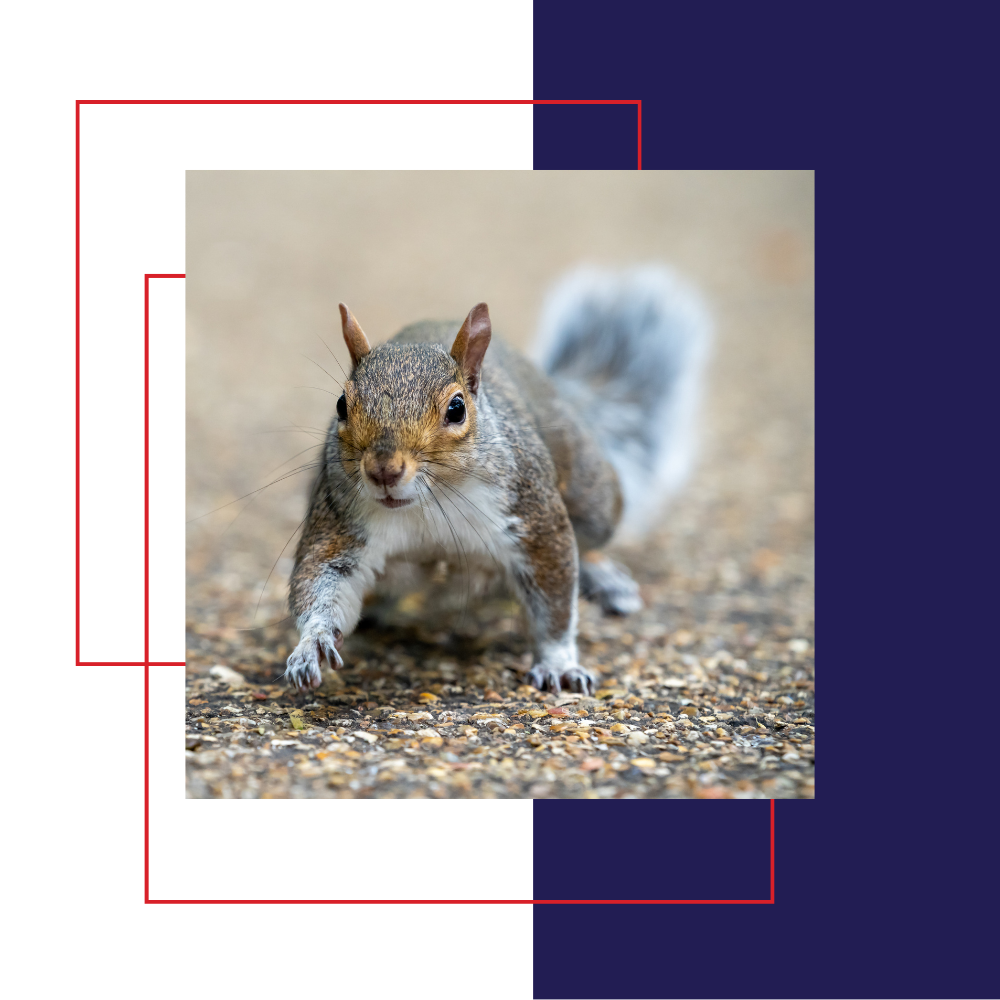
While many people probably think of squirrels as the cute, harmless critters that chase each other across the lawn, things take a turn for the worse when those same fuzzy rodents slip into an attic or wall void. Their instinct to chew through wood, vinyl, wiring, and insulation quickly transforms a quiet home into something far more chaotic. Once a squirrel discovers a loose shingle, a softened edge of roof decking, or a vent that doesn’t close properly, it treats that weakness like a doorway. Before long, scurrying noises echo through the structure as they drag in nesting materials and explore every reachable cavity. Their continuous gnawing can wear down structural elements that were holding up perfectly well before the intrusion. Even more concerning, they create new openings while expanding existing ones, which ultimately results in more uninvited creatures making themselves at home on your property. Over time, the combination of shredded insulation, damaged wiring, and structural wear starts to impact the comfort and function of a building in ways the owner may not expect. That’s when the presence of these destructive pests stops feeling incidental and starts to feel disruptive.
Our Tried-And-True Methods
People often notice subtle hints before understanding the cause of those disturbances. Hearing scratching noises early in the morning or late in the day is usually one of the first clues to be noticed. Squirrels move around a lot during those periods, and their activity inside a structure creates a pattern of noise that grows harder to ignore. Light tapping, quick bursts of movement, or persistent gnawing can all signal that the animals are trying to shape nesting spots or widen a tight passage. If electrical problems appear without a straightforward explanation, that can point to insulation chewed off wires hidden behind walls or ceilings. A faint, musky odor sometimes develops as nesting materials accumulate or food stores begin to rot. Our team has seen situations where an owner thought a single squirrel had slipped inside, only to discover a cluster using multiple points of access. Because these animals adapt quickly, each indication deserves attention. The earlier the issue receives proper evaluation, the more effectively the damage can be controlled before it spreads into other areas of the property.
Responding to a squirrel problem effectively requires taking well-planned and properly executed action before the problem gets worse. Blocking one exploited opening without understanding how the animals use the structure can potentially send them searching for another gap, which leads to more chewing and further complications. Our professionals start by locating and examining the paths the intruders are taking to get in. Once those patterns are documented, we can form a strategy built around our findings. Specialized exclusion devices guide the animals out while preventing their return. This keeps the process controlled rather than chaotic. After the unwanted activity stops, repairs must be completed with enough durability to prevent squirrels from exploiting the same weaknesses again. That may include replacing damaged trim, securing warped soffits, or reinforcing attic vents that no longer sit flush. Each step aims to restore the building’s integrity while reducing opportunities for renewed intrusion. One thing we stress while guiding property owners through the process is that addressing the underlying structural vulnerabilities matters as much as removing the current occupants. Without that follow-through, the cycle tends to repeat.
Prevention Strategies And Structural Reinforcement
Once the animals are gone, prevention becomes the main focus. Structures breathe and shift over time, creating small separations that weren’t present when the building was new. Squirrels notice these openings far faster than an owner does. Our team evaluates roof edges, gaps around utility penetrations, and portions of trim that have weakened from age or weather. What looks like a tiny flaw to a person might serve as an ideal access point for a determined intruder. When those points are sealed and reinforced, the structure becomes far more resilient. Property owners also benefit from clearing conditions that make entry attempts easier. Branches that extend over a roof provide convenient launching spots, and heavily shaded areas around vents can conceal repeated testing by wildlife. Improving airflow around attic vents, strengthening screens, and repairing compromised soffits help reduce the appeal of the structure while maintaining its function. Prevention won’t eliminate the curiosity of squirrels outside, but it reduces the chances that their exploration turns into a full-scale intrusion. A building that’s properly reinforced stands up better to their persistent behavior, giving owners fewer surprises and far more peace of mind.
As a team, we approach squirrel concerns with careful assessment and proven solutions, making sure our clients are well-informed and understand each part of the process. Our goal is to protect your property with practical strategies that respect how these animals behave and how structures respond to their activity. If you’ve noticed unusual noises, unexplained damage, or signs of wildlife presence, don’t hesitate to contact us today at Texas Pest Elimination to schedule a consultation or to ask any questions you have about what we can do for you.
Frequently Asked Questions About Squirrels
Q1. Why Do Squirrels Choose Certain Homes To Invade?
A1. Squirrels tend to settle into structures that offer warmth, quiet pockets of space, and effortless access. If a roofline has small gaps, if branches touch the house, or if attic ventilation screens have weakened, those conditions make entry far easier. They also prefer places where they can stash food without much disturbance. Once they find a location that meets these needs, they return repeatedly and gradually carve out more room for nesting and movement.
Q2. How Much Damage Can A Small Squirrel Actually Cause Inside A Building?
A2. Although they are small, their chewing habits can create surprisingly costly problems. They grind their teeth on wood, wiring, insulation, and even plumbing components, which can lead to hazards and expensive repairs. Over time, their constant movement compresses insulation, reduces energy efficiency, and spreads debris throughout hidden areas. A single season of activity can leave a structure with weakened spots that continue causing trouble long after the animals are removed.
Q3. What Makes Squirrels Return To The Same Property Repeatedly?
A3. Once squirrels discover a quiet, sheltered space with predictable access, they remember its layout and treat it as part of their territory. Scents left behind act like markers that guide them back to the same entry points. If those openings remain unchanged, the animals test them again and often slip through with little effort. Even after removal, lingering signs of past activity can attract new squirrels, which is why sealing vulnerable areas and adjusting surrounding conditions play such major roles in long-term prevention.