Attic Clean Up
Attics tend to collect what the rest of a home would rather ignore. Dust settles into hidden corners, old insulation breaks down, and nuisance wildlife can slip through small openings and leave contamination behind long before anyone notices. When problems build up, the space above the ceiling turns into a source of lingering odors, airborne particles, and disruptions that a homeowner might not even realize are connected to that upper level. Our team treats this type of project as a targeted process that blends detailed inspection with practical restoration methods geared toward improving the condition of the structure itself. Because homes in Texas face warm temperatures for much of the year, this part of the home often experiences heightened humidity and increased pest pressure, which means these spaces can deteriorate faster than expected. Addressing these concerns thoroughly requires far more than a quick sweep or patching a small gap. It calls for a deliberate approach that focuses on restoring the space so it supports a healthier indoor environment.
When a house has been exposed to pests, the attic usually carries the brunt of the damage. Rodents, insects, and other invaders look for quiet, tucked-away areas that provide shelter, which turns the space into a hotspot for droppings, nesting materials, and contaminated insulation. This kind of buildup affects air quality because heat rising from rooms below pushes airborne contaminants downward through vents and cracks. Our professionals examine the entire upper level to determine the extent of contamination and identify the points where pests gained entry. The goal is to remove compromised debris, correct structural vulnerabilities, and set the stage for long-term improvement.
The Importance Of Detailed Work
Remediation work in attics isn’t only about removing what pests left behind. It also involves treating surfaces so that remaining contaminants do not continue to circulate through the home. We use disinfecting methods designed to address bacteria, odors, and residue that typically linger long after pests are gone. Thorough treatment reduces the chance that lingering contamination will influence indoor air or affect stored belongings. This process often becomes one of the most transformative stages, since disinfecting allows the attic to function again without contributing additional irritation to the home.
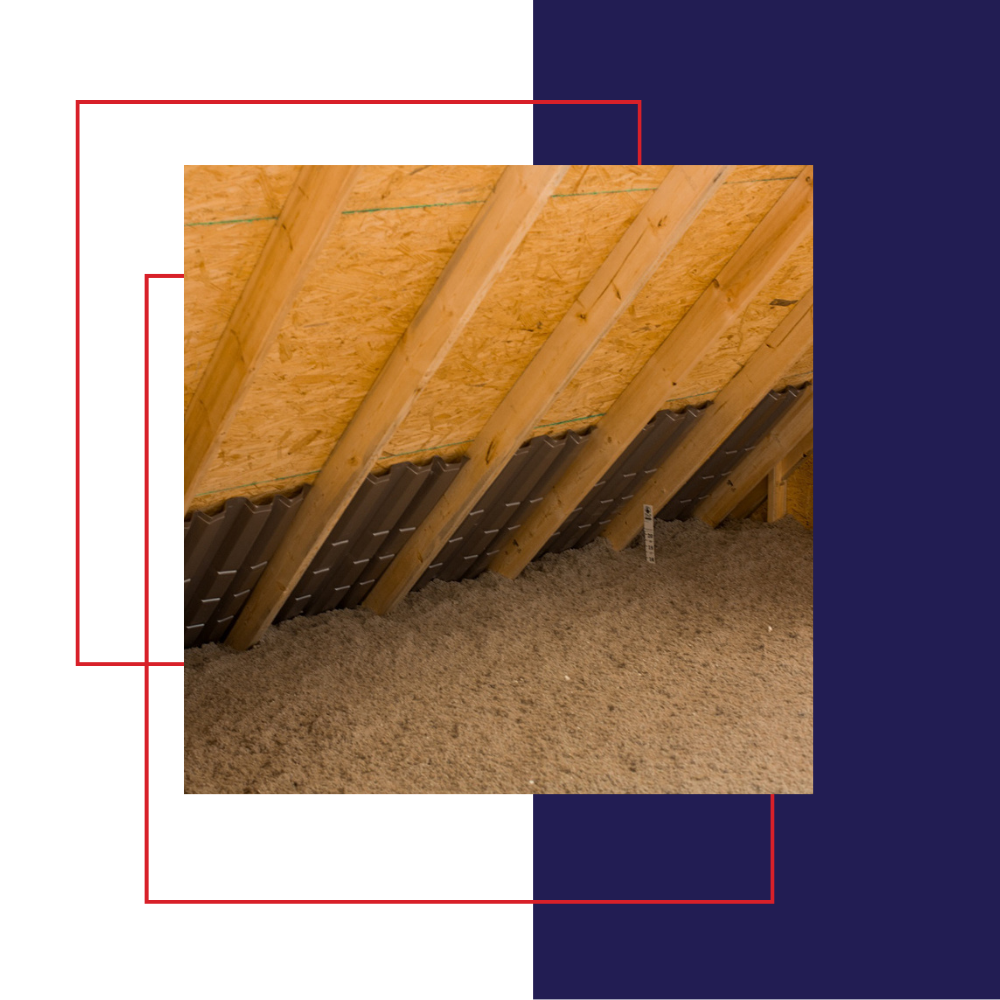
During remediation, addressing damaged insulation plays a crucial role. Old or contaminated insulation loses its ability to regulate temperature, which strains cooling systems during the long Texas warm season. Replacing degraded sections with high-quality material brings the space back to a functional state and can contribute to improved energy efficiency. Insulation replacement also helps lock out moisture that would otherwise seep into rafters or drywall and create extra problems over time. By combining debris removal, sanitation, and material renewal, remediation brings the attic much closer to the condition it should support for regular household use.
How Professionally Cleaning Supports The Home
An attic that’s been professionally restored affects more than the uppermost part of the building. Once contamination, debris, and compromised insulation are removed, indoor environments tend to feel more comfortable overall. Air conditioning systems do not have to fight against heat escaping from above, and odors that once drifted down into living areas begin to fade. Our services help homeowners recognize that issues they once blamed on unrelated problems actually stemmed from the attic. When the upper level is neglected, it becomes a subtle source of discomfort that affects rooms below.
Another important part of professional clean up involves identifying and sealing the access points that pests have been using. Even a small gap can invite frequent intrusions, leading to renewed contamination and repeating cycles of damage. While the focus stays on restoring the space, closing entry points is a critical part of preventing the situation from returning. A reinforced attic environment reduces the likelihood of future infestations and allows the space to stay cleaner for far longer.
TAP Insulation
One of the most effective upgrades we recommend during attic restoration is TAP insulation. TAP stands for Thermally Acoustical Pest Control insulation, and it’s designed to improve comfort while also adding an added layer of defense against common attic pests. Unlike standard insulation, TAP is treated with a pest-control additive that helps deter insects that often spread through attic spaces, especially in warm Texas conditions. When installed after debris removal and disinfecting, it helps restore the attic’s thermal performance, supports more consistent indoor temperatures, and reduces the likelihood of future pest-related insulation damage. This makes TAP insulation a strong option for homeowners who want a long-term improvement that goes beyond basic replacement materials.
The Influence Of Local Conditions
Homes that deal with climate fluctuations that put a unique strain on attic spaces. Prolonged heat makes insulation deteriorate faster, encourages pest activity, and can drive humidity higher inside enclosed areas. When wildlife or insects enter, they take advantage of the warm environment and leave contamination that intensifies with the temperature. This combination speeds up degradation and makes professional clean up far more valuable. Our team understands how local conditions contribute to attic decline and shapes each service to address these patterns directly.
Many homeowners underestimate how much the attic influences the flow of air, temperature, and cleanliness throughout their living space. Remediation, clean up, disinfecting, and insulation replacement are interconnected steps that help stabilize the building above the ceiling. Addressing these components together provides a more complete restoration and encourages a healthier home environment. By treating this part of the home as an essential section of the structure, rather than a forgotten storage zone, homeowners gain long-lasting improvements that affect comfort and overall function.
Attic clean up and remediation create meaningful change throughout a home by correcting contamination, restoring insulation, and addressing damage caused by pests. Our team takes pride in offering these services through Texas Pest Elimination with a focused approach that supports long-term improvement for the entire structure. Don't hesitate to contact us today, so we can provide answers to your questions and schedule a service consultation.
Frequently Asked Questions About Attic Clean Up
Q1. What Makes Professional Service More Effective Than A Homeowner Doing It Alone?
A1. A homeowner may be able to remove visible debris, but a professional team evaluates the entire space, including hidden gaps, structural weaknesses, and contamination that gradually spreads into surrounding areas. This kind of affected debris often contains residues that require targeted disinfecting products, and damaged insulation needs careful removal so loose particles do not drift into living spaces. Professionals also identify the specific pathways pests used, which helps reduce future intrusion and improves the overall condition of the attic far more thoroughly than a basic surface cleaning.
Q2. How Does Insulation Replacement Fit Into The Overall Remediation Process?
A2. Insulation controls the environment of the attic, so when it becomes deteriorated or contaminated, the temperature throughout the home suffers. Replacing any contaminated materials is an important stage because new insulation supports better energy efficiency and helps maintain a stable indoor climate. During our process, the affected sections are carefully replaced with cleaner, more efficient materials.
Q3. Why Is Disinfecting After Any Contamination Is Removed An Important Step?
A3. Even after the space has been cleared out, lingering microorganisms and odors remain on wood surfaces, rafters, and ventilation pathways. Disinfecting treatments target what cannot be seen, reducing the chance that airborne debris from the pollution will drift into rooms below. This stage also prepares the space for long-term use by limiting the spread of residue that pests leave behind. Without disinfecting, the attic may continue to influence air quality, so thorough cleaning combined with a proper sanitizing process helps stabilize the space more effectively.