
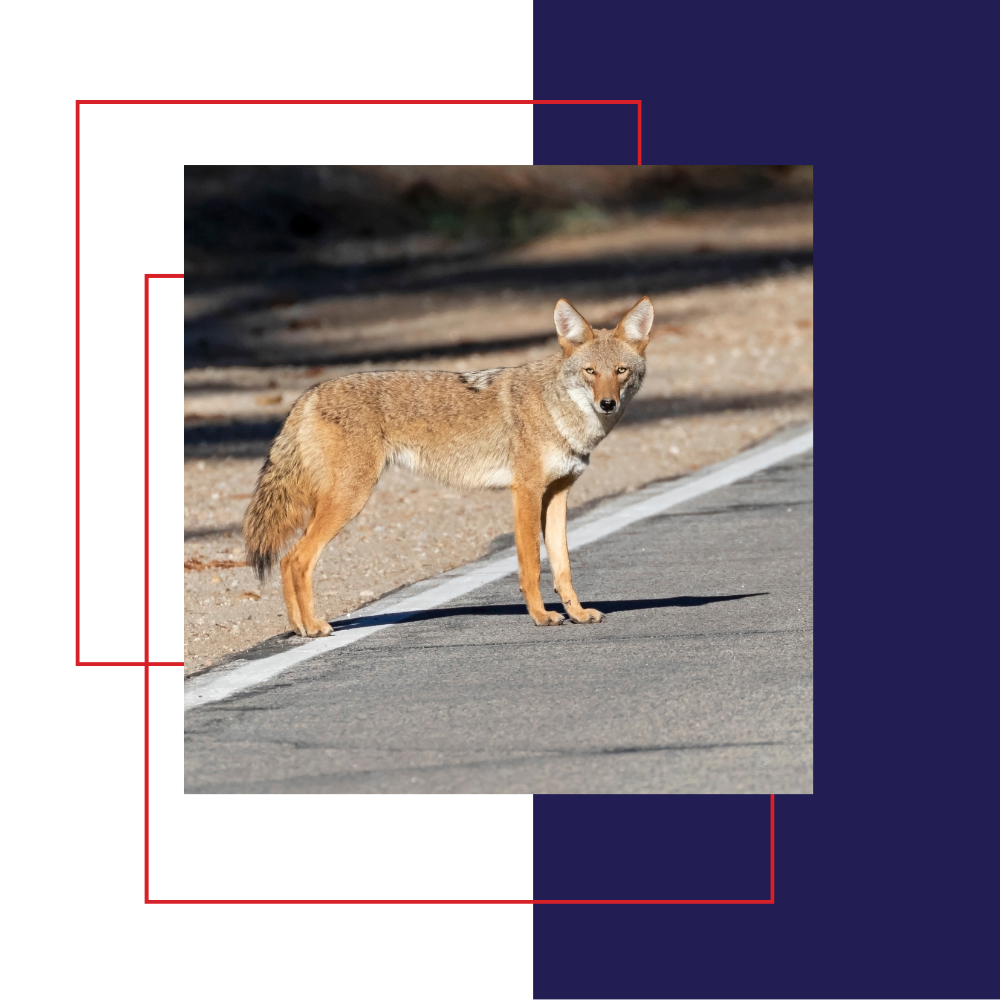
Coyote Removal And Control
Coyotes have a talent for slipping into the rhythms of human environments, and that adaptability can create situations that feel overwhelming for property owners. They move with ease across open land, wooded edges, and suburban corridors, especially in areas like Texas where natural and developed spaces sit so close together. When these animals start frequenting yards, fields, or work sites, they can unsettle pets, scatter trash, disturb livestock, and make people uncomfortable in their own surroundings. Their intelligence is impressive, but it also means they learn patterns quickly. If they find dependable food sources or quiet shelter spots, they’re inclined to return and settle into predictable habits that become hard to break.
Our professionals pay close attention to these patterns because observing their behavior gives insight as to why the coyotes are showing up on your property in the first place. Sometimes it’s a drought pushing them closer to human activity in search of water. Other times, unsecured garbage or pet food that’s been left outside is the accidental invitation for these opportunistic creatures. Whatever draws them in tends to create a cycle of repeated visits, and those repeated visits are what most property owners notice first. Interrupting that cycle requires a clear picture of the environment, the animal’s motivations, and the points of attraction that need to be addressed. Effective response isn’t just about removing an immediate problem, it’s about cutting off the conditions that allow it to grow into something worse.
Risks Posed By Encounters
Encounters with these predators can feel startling, especially when they happen near a home or business that people expect to be calm and predictable. Their boldness tends to escalate when they learn they can move through an area without any meaningful deterrent. They might dig for nesting rodents, stare down pets through fencing, or explore storage areas in search of scraps. Each of these actions signals a growing confidence that usually calls for trained intervention.
Concerns often intensify when young coyotes are present. Younger animals follow the patterns of adults and learn quickly which properties offer easy opportunities. Over time, this behavior can create territorial activity close to human living spaces. While direct conflict is uncommon, the potential for harm to pets or livestock can feel unnerving. Our team understands that property owners want practical solutions grounded in real experience rather than exaggerated messaging. With each inspection, we look for the environmental cues that are encouraging the animals to linger, because identifying those factors early can prevent further issues.
How Our Approach Addresses The Source
Our method focuses on solving the core problem rather than applying temporary fixes. We start by examining the landscape around the affected property. This includes vegetation patterns, water sources, food availability, nearby structures, and any signs of routine movement. Tracks, scat, disturbed soil, and worn paths all play a role in building a clearer picture of what the animals are doing and why. Every property tells a slightly different story, and addressing the situation effectively requires paying attention to details that aren’t always obvious at first glance.
Once we understand the environment, we create a customized plan aimed at reducing access and discouraging repeated visits. This may involve structural adjustments, securing attractants, modifying habitat features, and implementing deterrent strategies that guide the animals away. We use techniques that emphasize control, correction, and long-term prevention. Our professionals bring a blend of field experience and problem-solving to each case, adjusting methods as needed to match the specific terrain and behavioral patterns involved. We handle these situations with care and precision, keeping in mind that a well-executed strategy tends to produce the most reliable results.
Preventing Future Activity
Long-term success often depends on limiting the reasons coyotes show interest in a property to begin with. Subtle factors like a forgotten feed bucket, an open compost pile, or dense brush edging can create opportunities that seem unimportant but matter a great deal to wildlife. If those features remain unchanged, the problem tends to resurface. That’s why our services include suggesting property adjustments that help reduce future encounters. We walk clients through practical steps that strengthen the measures we’ve already installed.
Maintaining an environment that discourages coyotes is an ongoing process, but it doesn’t have to feel complicated. With routine awareness and a plan tailored to the landscape, property owners can often prevent the conditions that led to the first encounter. Our team also remains available for follow-up inspections, because occasional reassessment helps keep control measures on track. Small improvements can go a long way, and when those improvements line up with the behavior patterns we’ve observed, the results tend to be steady and noticeable.
Coyotes can cause real concern when they begin to treat a property as part of their territory, and we understand how important it is to address that situation with methods that genuinely work. Texas Pest Elimination provides a focused approach centered on understanding behavior, correcting attractants, and restoring peace of mind for the people who depend on us. If you’re dealing with coyote activity or want to prevent it from escalating, contact us to schedule services or request more information.
Frequently Asked Questions About Coyotes
Q1. What Factors Usually Attract Coyotes To A Property?
A1. Coyotes tend to move toward areas that offer food, cover, or predictable pathways, and even subtle changes in the environment can influence their behavior. Accessible pet food, open trash containers, rodent activity, fruit drops, or dense vegetation can draw them in far more quickly than most people expect. When these elements line up in a way that feels comfortable to the animals, they may begin traveling through the same space repeatedly, creating patterns that become difficult to disrupt without purposeful intervention.
Q2. How Does Professional Coyote Management Reduce Ongoing Problems?
A2. A trained team looks at the full picture rather than reacting to a single sighting, which helps uncover deeper causes behind repeated visits. By studying tracks, movement habits, shelter points, and surrounding conditions, specialists can determine why the animals return and how to interrupt that routine with targeted methods. Tailored strategies limit access, discourage lingering, support long-term control, and give property owners practical insight into preventing future issues that might otherwise develop unnoticed.
Q3. What Can Property Owners Do To Help Prevent Future Coyote Encounters?
A3. Simple adjustments can make a meaningful difference, especially when combined with consistent awareness of how the landscape changes over time. Securing outdoor food sources, improving fencing conditions, clearing excess brush, reducing rodent presence, and observing nighttime activity can significantly lower interest from passing animals. When these habits are paired with periodic professional assessments, they create a stronger barrier against future visits and help maintain a property environment that feels more stable, predictable, and comfortable for daily use.