
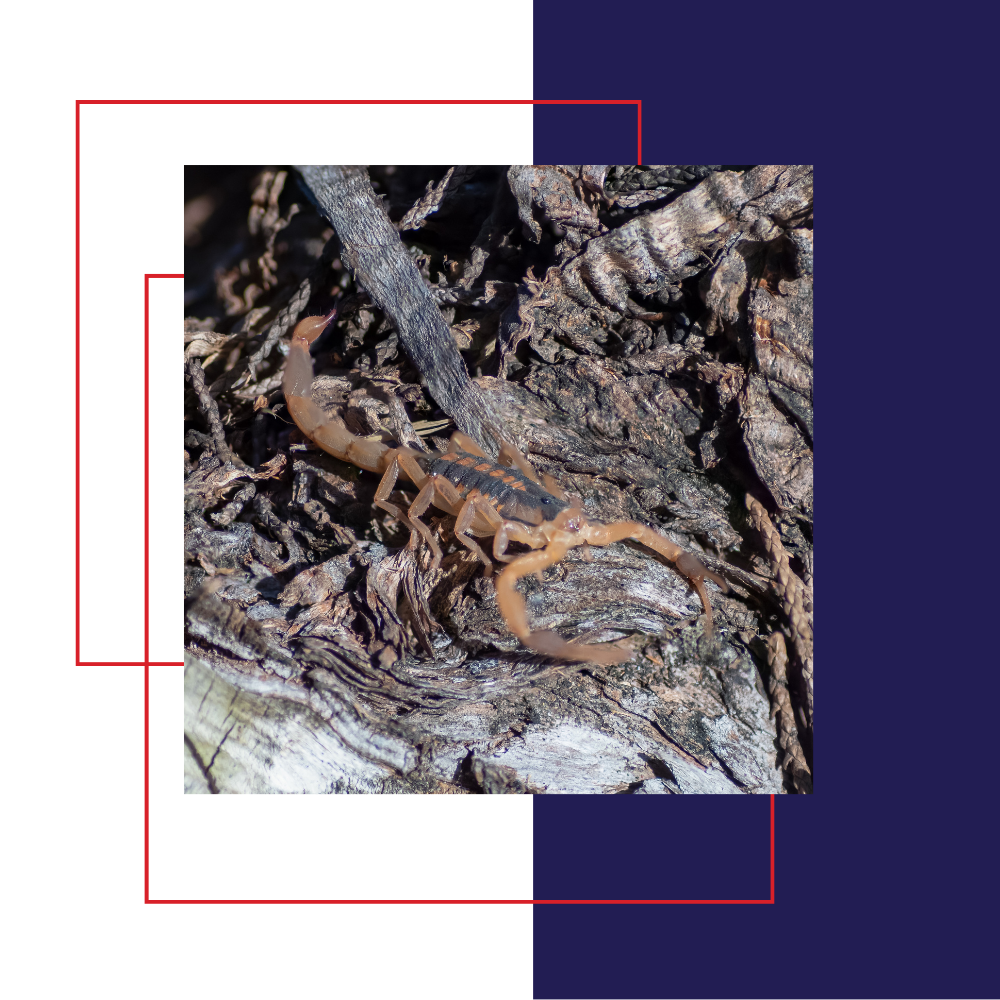
Scorpion Exterminator
Scorpions turn up in all kinds of unexpected places, and the way they move through a property can catch anyone off guard. Their habits shift with temperature changes, moisture patterns, and available shelter, which means a structure can feel calm one week and suddenly show signs of activity the next. We pay close attention to how they navigate outdoor clutter, gaps near foundations, and shaded spaces that stay cool during hotter months. Their preference for tight spots gives them many chances to slip into small openings, and subtle changes around a building can influence where they settle.
Across much of Texas, the species that shows up most often is the Striped Bark Scorpion, though others occasionally appear. Even when different species behave slightly differently, they share similar tendencies to search for insects, moisture, and shade. When those conditions exist indoors, they tend to follow them without hesitation. Our team studies these movement patterns so we can pinpoint the factors pulling them toward a structure and reduce those conditions with a direct, thoughtful approach.
We find that many clients are surprised by how quickly activity can increase when outdoor conditions shift. Dry stretches can push them toward buildings, while humid periods can draw them out of hiding. Our professionals constantly monitor these influences so the service we provide matches the environment our clients are living in. Each situation asks for careful evaluation rather than guesswork, and we make sure to examine the broader setting around the property before taking action.
Inspection Methods And Targeted Treatment Strategies
A thorough inspection sets the tone for everything that follows. We examine exterior walls, door frames, utility penetrations, rooflines, crawl spaces, and any area where structural vulnerabilities might give scorpions a way inside. We study the flow of insects near the property, since that food source can draw them closer. Every detail we gather shapes how we build the treatment plan.
Once we understand the pathways and pressure points, we craft a targeted response. Our goal is to interrupt patterns, reduce the factors attracting them, and create long-term conditions that discourage future activity. We use specialized materials applied with precision, focusing on cracks, voids, and protective harboring spots that might otherwise be overlooked. Because these arachnids can move vertically and fit into narrow spaces, our strategy accounts for three-dimensional movement rather than only focusing close to ground level.
Treatments around vegetation, debris piles, and exterior lighting often play a role, too. These influence insect activity, which influences scorpion movement. We calibrate each application to the level of pressure the property is experiencing so we never take a one-size-fits-all approach. Careful timing matters, because certain methods work best during specific phases of their activity cycle. Our training and field experience guide each step of that process.
Long-Term Prevention And Structural Recommendations
Long-term results rely not only on treatment but also on adjustments to the environment that surrounds a structure. While we handle the professional control methods, we also point out changes that can strengthen the property against future pressure. Minor gaps around windows, loose door sweeps, cracked masonry, open weep holes, and cluttered exterior areas can all influence how often scorpions appear. By tightening these vulnerabilities, the property becomes less appealing and less accessible.
Exterior lighting changes can help, since certain types of bulbs attract insects more strongly than others. Adjustments to irrigation patterns can shift moisture levels that might draw scorpions closer. We guide clients through these improvements in a straightforward, practical way so they understand how each recommendation contributes to long-term reduction.
We also monitor seasonal patterns in the region. As temperatures climb, these creatures shift into night-active habits and seek cooler hiding spots. When temperatures drop, they look for insulated areas. Understanding this rhythm helps us prepare clients for what to expect throughout the year and how to keep their structures from offering the kind of shelter scorpions look for.
Why Professional Intervention Is The Answer
Scorpions can be unnerving to encounter, and even a small number can lead to continued stress if the source of the problem isn’t identified. While many people try to handle the situation on their own, the complexity of their movement and the hidden structural factors that draw them in make professional involvement a smarter path toward lasting relief. Our approach focuses on more than temporary reduction. We aim to build conditions that limit activity across future seasons, not merely the present moment.
Our team brings field-tested strategies, specialized tools, and ongoing training to each job. We approach each property with fresh eyes rather than assumptions, since two homes sitting side by side can still have very different conditions. By mapping out entry points, food sources, moisture pockets, and shaded shelter spots, we create a strategy that genuinely fits the property rather than forcing it into a template. Clients trust us to take a problem that feels unpredictable and turn it into something manageable and understandable.
We also stay available for ongoing guidance. Conditions shift throughout the year, and when clients notice changes or want support, we’re prepared to evaluate, adjust, and strengthen the plan. Effective control depends on partnership, clear communication, and a focus on long-term consistency.
Our professionals are committed to giving every client the level of attention their situation demands, and we treat each property with the care it deserves. For anyone seeking dependable scorpion management backed by experience and thoughtful strategy, Texas Pest Elimination is prepared to help. To learn more about our methods or arrange service, contact us directly and we’ll provide the guidance needed to move forward with confidence.
Frequently Asked Questions About Scorpions
Q1. What Factors Can Cause Scorpions To Gather Around A Home Or Building?
A1. Scorpions tend to follow the conditions that support their survival, which often means moving toward areas with steady insect activity, gaps that offer shelter, or moisture patterns that create comfortable hiding spots. Changes in temperature or humidity can shift their behavior, leading them to wander closer to structures during certain parts of the year. When these conditions line up, a property can experience noticeable increases in sightings. Professional evaluation helps identify what is drawing them in and how to reduce those incentives effectively.
Q2. How Does A Professional Inspection Improve Scorpion Control Results?
A2. A trained technician studies the property in a detailed, methodical way to uncover the routes scorpions use to slip indoors and the exterior features that encourage them to stay nearby. This can include subtle structural gaps, landscaping issues, or insect patterns that a typical homeowner might not recognize. By understanding how these elements interact, a more accurate strategy can be built, which allows treatment efforts to target the areas that have the biggest impact on long-term reduction.
Q3. What Can A Property Owner Do To Support Long-Term Pest Reduction After Treatment?
A3. Small adjustments can make a meaningful difference once a treatment plan is in place. Fixing weathered door seals, tightening window gaps, reducing clutter around exterior walls, and adjusting outdoor lighting can all influence how inviting a property appears to scorpions. Managing irrigation so water does not accumulate near foundations can also play a role. These changes help reinforce the work performed during service and make the environment less appealing to future activity.