Bird Removal And Control
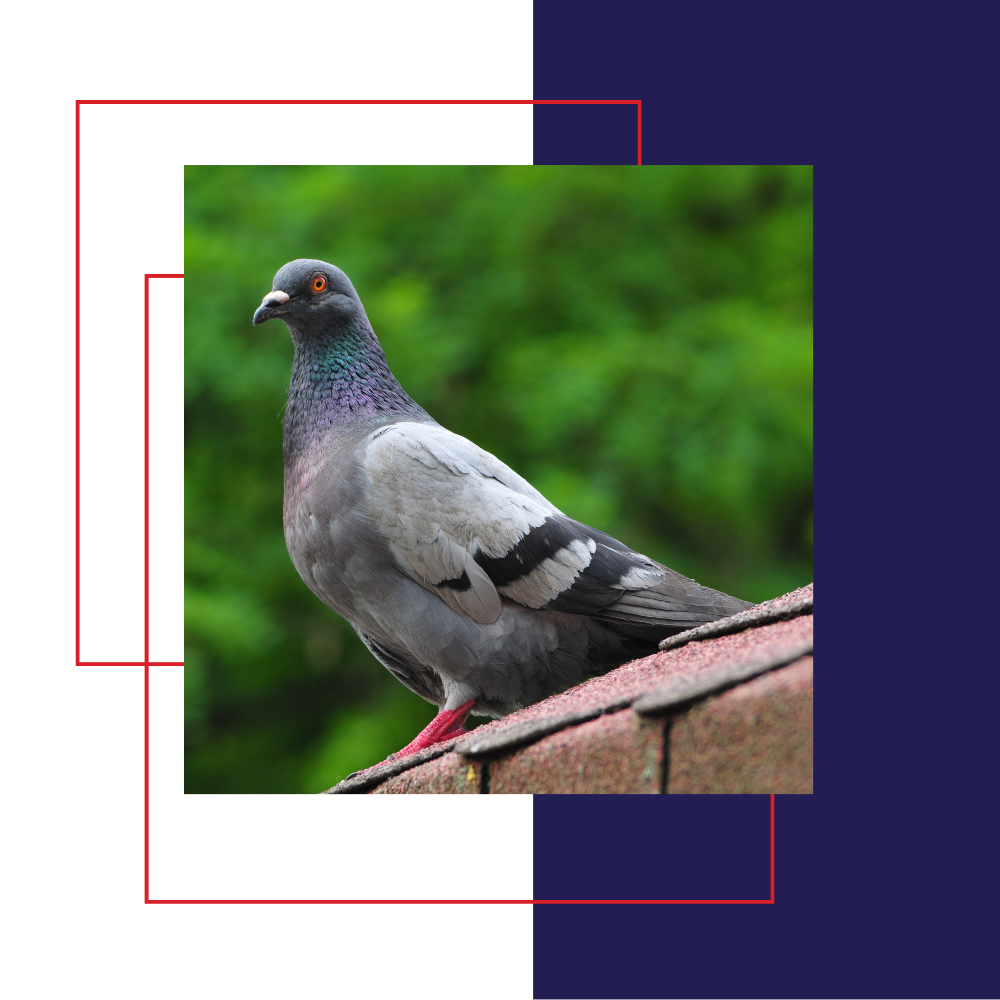
Birds might seem harmless at a distance, but the problems that unfold when they settle on a property can grow surprisingly complicated. When flocks begin gathering on rooftops, rafters, signage, loading areas, or ledges, they can create disruptions that affect daily routines, business operations, property upkeep, and even long-term structural conditions. Our team deals with these situations often, and we’ve learned how quickly an occasional perch can turn into consistent activity that demands far more attention than most people expect.
One of the biggest concerns involves the conditions created by accumulated droppings. They can erode building materials over time and lead to surface staining that’s difficult to remove once it settles in. Nesting material presents a different challenge, especially when colonies build into ventilation openings or tucked-away corners where airflow matters. These tight pockets can trap moisture, increase the likelihood of clogs, and interfere with equipment that depends on unblocked circulation.
Another complication arises when food sources bring these feathered creatures closer to people throughout the day. Areas with steady foot traffic often experience startled reactions, interrupted workflows, or small confrontations between flocks and individuals who simply want to move through the space. Our professionals have seen environments shift from mild inconvenience to steady disruption because the activity becomes routine for the creatures and unpredictable for everyone else.
By paying attention to roosting habits, weather influences, surrounding structures, and even nearby feeding spots, our team develops solutions that address the root of the issue instead of treating the symptoms. This approach keeps the focus on long-term relief without creating new problems along the way.
Identifying Warning Signs Before Problems Grow
Many people notice the earliest indicators long before the situation escalates. Increased noise near entry points, debris collecting beneath ledges, or a sudden rise in droppings around walkways are all potential signals that birds have decided the property offers dependable shelter. It’s tempting to wait and see if the activity fades, especially when it seems minimal, but these early patterns are usually the moment when intervention is most effective.
Our professionals often find that a small flock roosting somewhere can draw greater numbers to the same spot within weeks. Once a predictable cycle is established, their presence becomes harder to break. Nest construction can begin in obscure crevices that aren’t visible from the ground, leaving the property owner unaware until blockage, odor, or minor damage appears. We’ve encountered situations where equipment malfunctions were traced back to nesting material pulled deep into vents during peak activity.
Structural issues aren’t the only concern. Droppings can create slick surfaces on concrete or metal, leading to unwelcome hazards around entrances, walkways, or work zones. Businesses may also face interruptions when flocks gather above shipping areas or outdoor seating, where their activity distracts workers or customers. Early recognition of these signs gives our team a chance to evaluate the severity and offer guidance before long-term consequences take hold.
Customized Strategies For Removal And Deterrence
Because every property is different, the method that works well on one building might fall short on another. Our process begins by examining the areas birds favor most and understanding why those spots appeal to them. This may involve observing roosting times, checking for food sources nearby, and pinpointing structures that unintentionally encourage the behavior.
Once we understand the patterns, we focus on solutions tailored to those specific conditions. Our services may include introducing barriers that make common perching zones less appealing, adjusting entry points that attract nesting activity, or adjusting nearby factors that encourage birds to stay.
We also emphasize approaches that protect the building without creating unnecessary disturbance for people who use the space daily. Subtle adjustments often make a bigger difference than dramatic changes. Redirecting airflow around certain openings or altering the angle of a ledge can significantly reduce interest from roosting birds. Proper cleaning of droppings and debris is another essential step, as lingering scent cues may attract returning flocks long after they’re gone.
Our team revisits treated areas when needed to confirm that activity has decreased and that the chosen methods continue performing as expected.
Long-Term Protection And Property Preservation
Ongoing monitoring and thoughtful property management are essential for preventing future problems. Once birds identify a location as dependable, they often return season after season unless something disrupts that pattern. Our professionals evaluate the building’s architecture, its surroundings, and the factors that originally drew the birds in. With that information, we help property owners understand simple adjustments that can reduce the chances of recurring activity.
Even minor changes can make a meaningful impact. Keeping certain areas clean, trimming overhanging branches, or repairing small openings can influence how attractive a structure appears to birds searching for shelter. Combined with targeted deterrents, these adjustments encourage them to move elsewhere rather than treat the property as a permanent roost.
We’ve also found that periodic check-ins help address new concerns before they develop into larger problems. Surrounding environments change over time, and when new construction, landscaping, or weather patterns alter bird movement, our team can reassess strategies so they remain effective.
If birds have begun settling on your property or signs of their activity are becoming difficult to ignore, don't hesitate to contact us at Texas Pest Elimination today for more information or to schedule full-service support. Our team is prepared to address active concerns and help prevent future issues so your property remains protected.
Frequently Asked Questions About Birds
Q1. How Do Bird Problems Typically Begin On A Property?
A1. Many situations start with a small flock discovering an easy perch, a quiet ledge, or a sheltered gap that feels undisturbed. Once they recognize a dependable place to gather, more birds often follow. Over time, these early visits can turn into established patterns that lead to droppings, cluttered nesting sites, and disruptions around entry points or work areas. Identifying those first signs gives a strong advantage in preventing the activity from spreading.
Q2. What Makes Professional Methods More Effective Than DIY Attempts?
A2. Birds respond to subtle environmental cues, so solutions that seem simple from a distance often miss the factors that keep drawing them back. A professional assessment looks at building structure, nearby food sources, airflow patterns, and the types of species involved. The result is a more dependable, longer-lasting outcome than quick fixes that may only shift the problem temporarily.
Q3. How Can Property Owners Reduce The Chances Of Birds Returning After Treatment?
A3. Small adjustments often make a noticeable difference. Clearing debris, repairing gaps in siding, maintaining clean surfaces, and managing nearby attractants all help reduce interest from returning flocks. When paired with tailored deterrents and occasional maintenance, these steps support the improvements created during the initial service. Consistency is key, since birds tend to revisit places that previously offered comfort or protection.